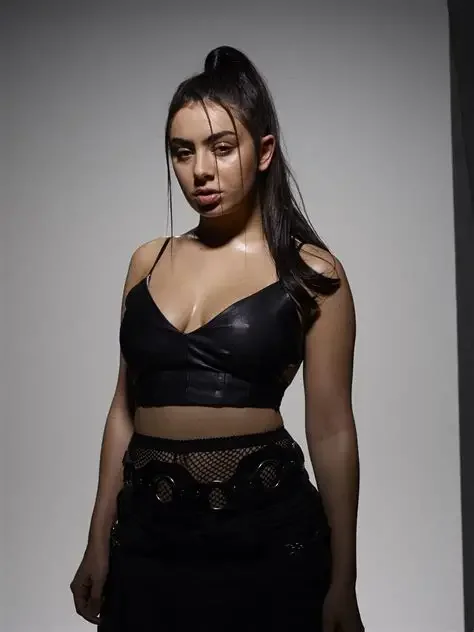
Vroom Vroom and Her Daughters
Part One: “Hyperpop”
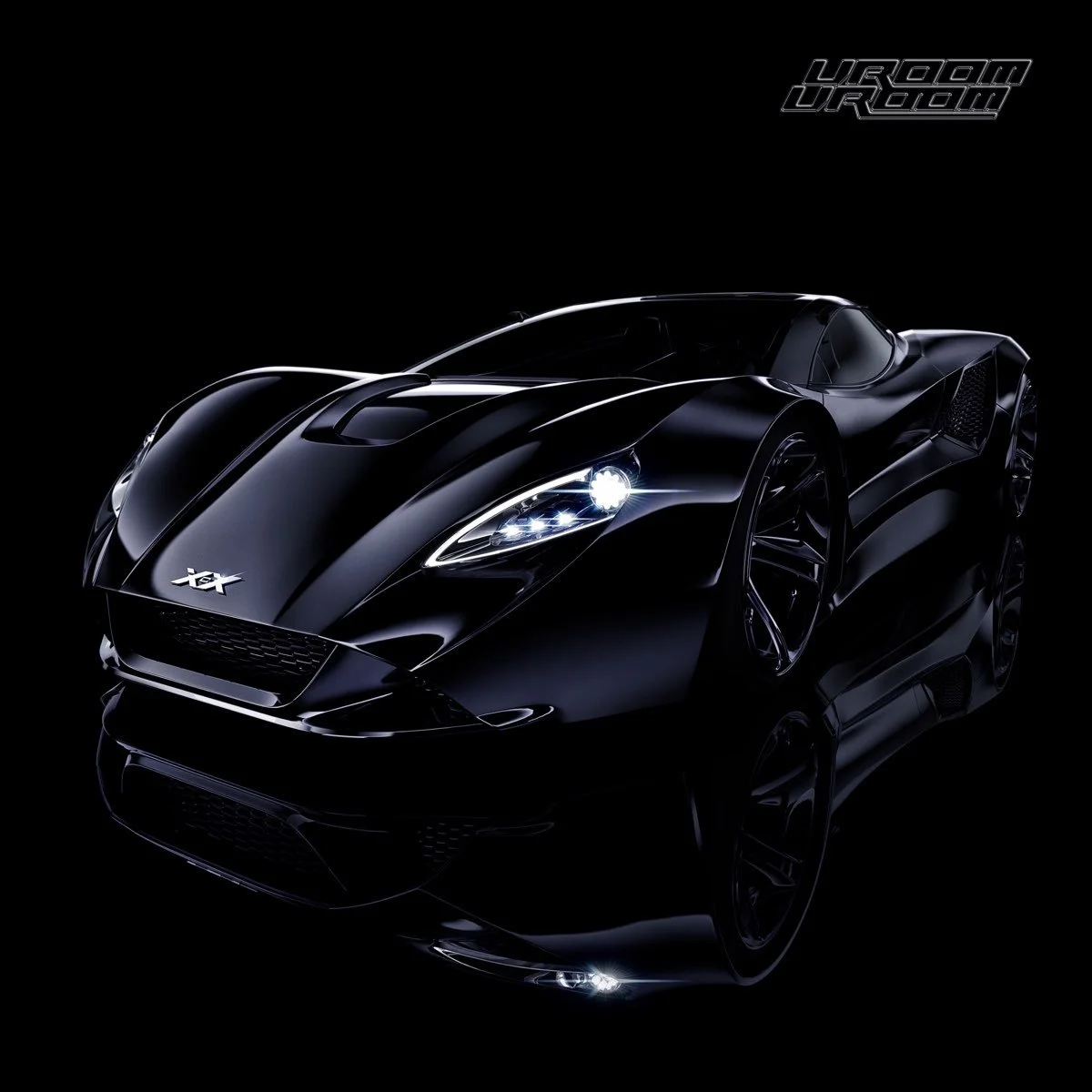
It has been 10 years since Charli XCX’s seminal Vroom Vroom EP solidified a movement we now call “hyperpop.” Produced by SOPHIE, this project melded the emerging PC Music “bubblegum bass” sound with Charli’s masterful songwriting, and pop music changed course forever.
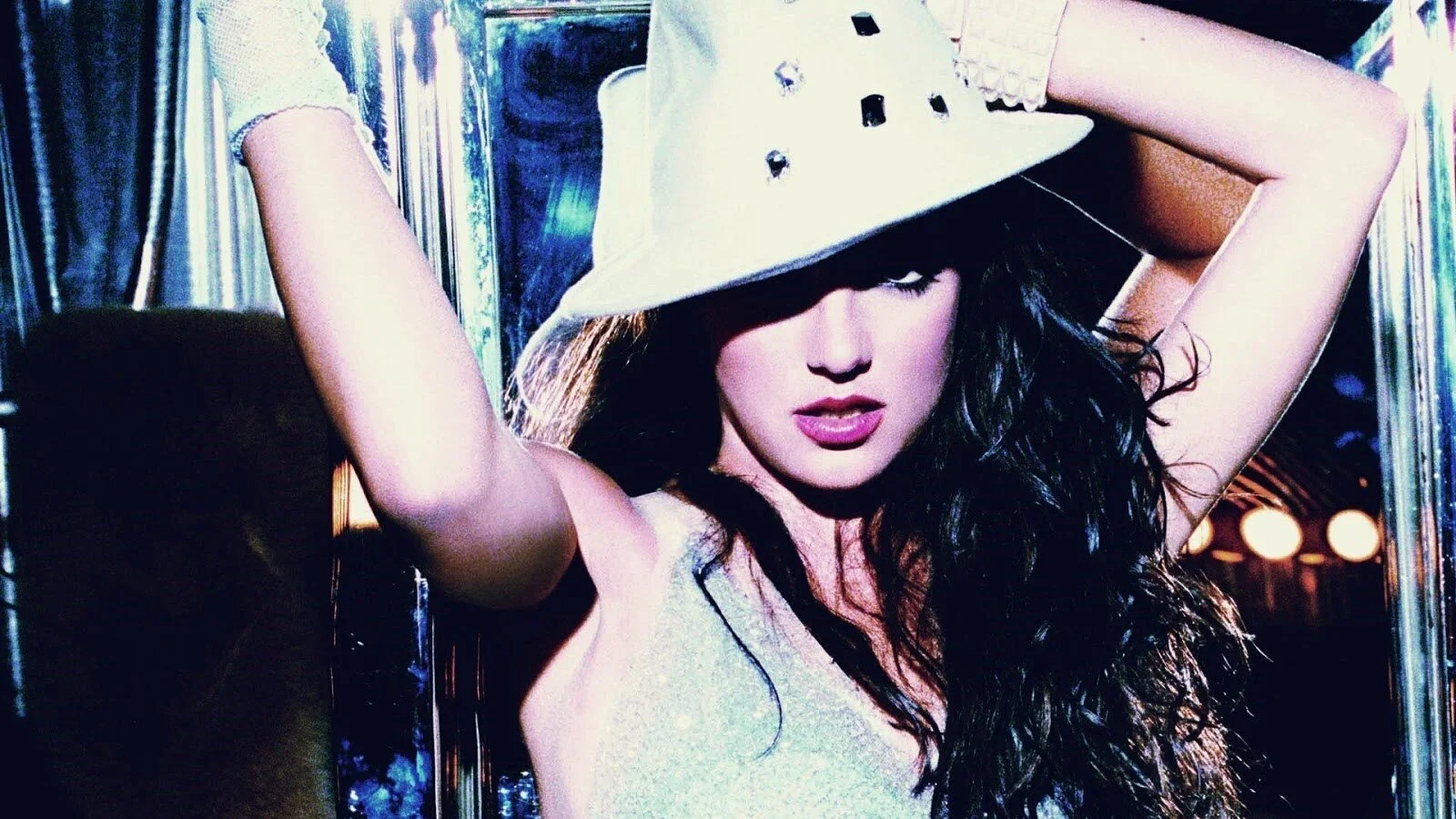
Blackout by Britney Spears is often considered the Old Testament of hyperpop. The 2007 record set the terms for a new form of pop that plants its flag in the uncanny valley, championing synthetic vocals, intentional glitches, dark production, and boisterous innovation. In the theology of the genre, I would label Vroom Vroom hyperpop’s New Testament, and Charli its messiah.
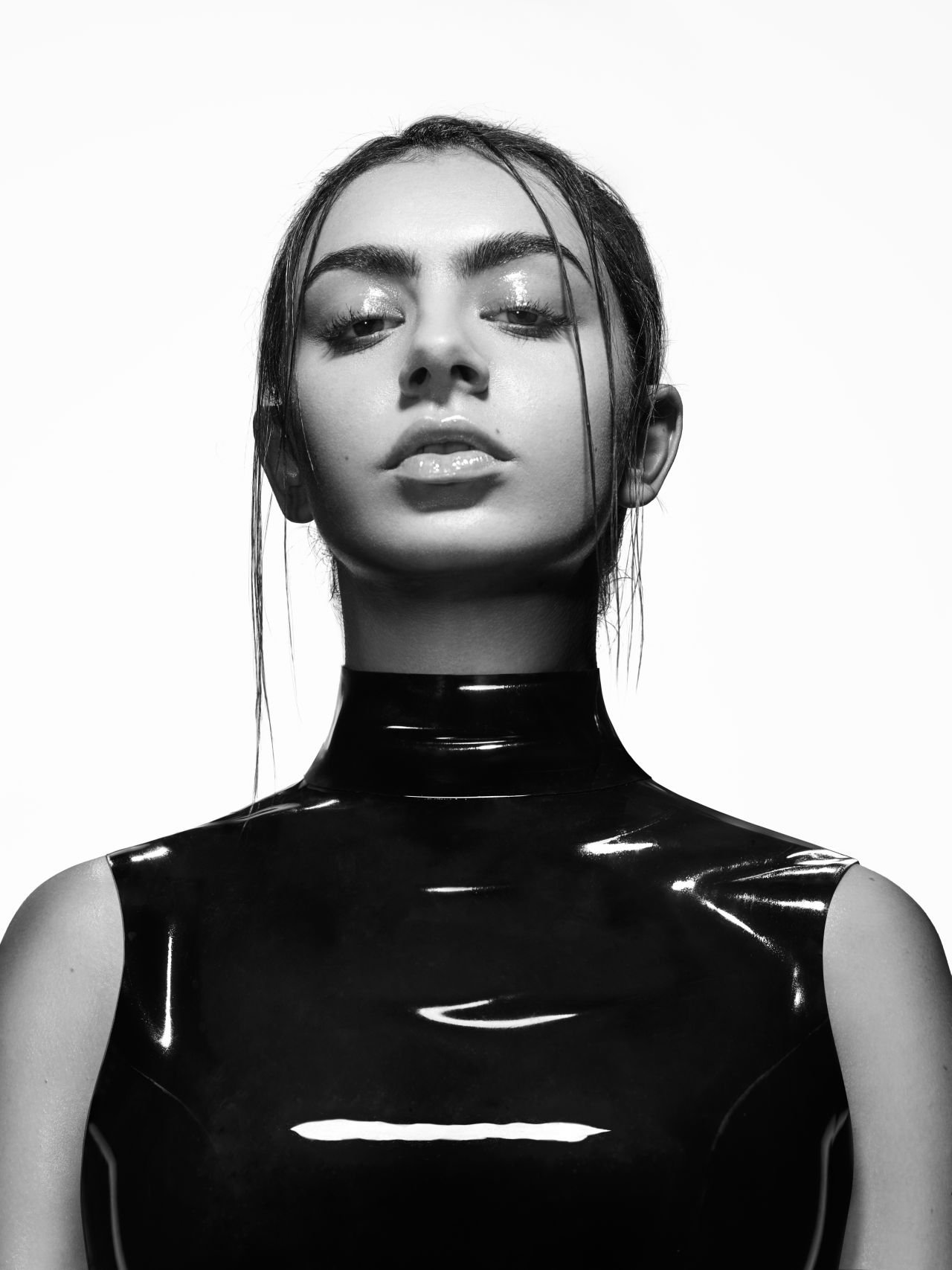
In his review of the EP from 2016, divisive and prolific music critic Anthony Fantano described the project as “something from pop’s dystopian future, where the genre has…started to swallow its own tail…” I think this self-referential process lies at the center of hyperpop, and every song on the EP carves out a new lane for the genre to expand.
Part Two: The Songs
Track 1:
Vroom Vroom
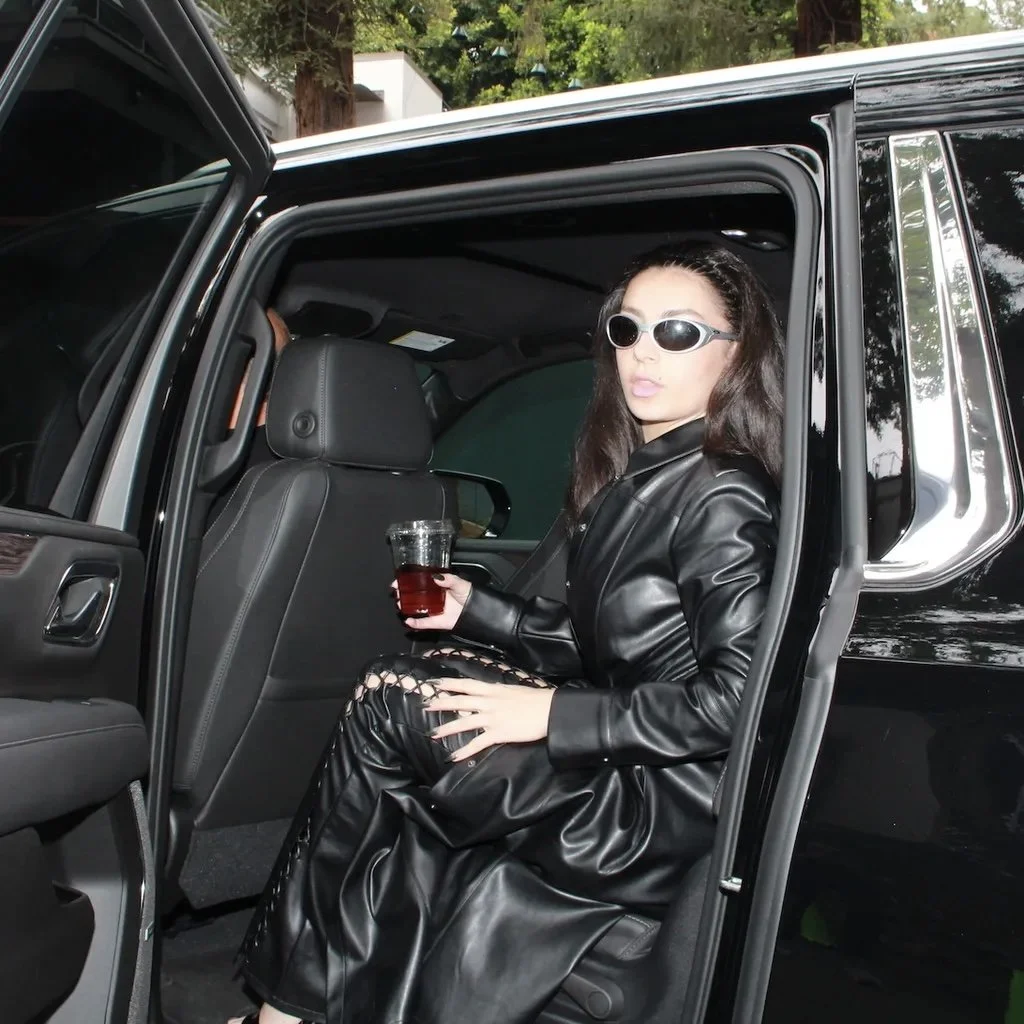
“Let’s ride!” Charli proclaims, prophetically yanking the sound of pop into the future. I genuinely wonder where pop music today would be without this song. To a layperson (or straight person), this track’s influence may appear minute, if not niche, but I hear fragments of “Vroom Vroom” everywhere, from the high contrast, speaker-busting work of 100 gecs to the braggadocious maximalism of Bree Runway. This track crystallized a new form of pop that is saturated, experimental, loud, and, at points, uncomfortable.
Track 2:
Paradise
(feat. Hannah Diamond)
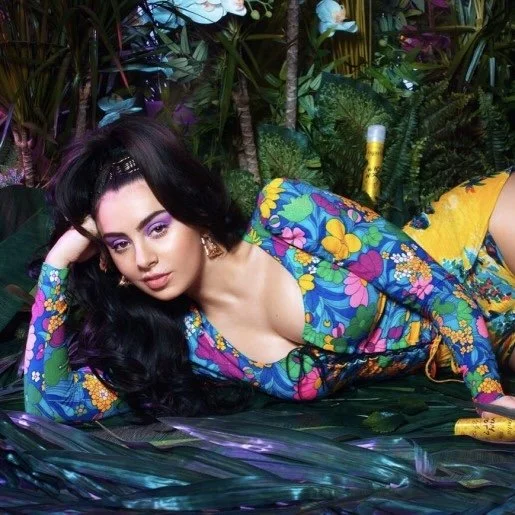
“Paradise” sits closest to the original model of “bubblegum bass” that PC Music pioneered in the early 2010s. It even features Hannah Diamond, who is arguably the label’s most recognizable poster girl. This collaboration defined a lane of hyperpop that is sweet, bubbly, girly, and incredibly sincere (to the point of being almost childlike). I believe this track serves as a prototype for a lot of the work made by PC Music alumni such as Namasenda, A.G. Cook, Danny L Harle, and Hannah Diamond herself.

Track 3:
Trophy
This pounding dance cut wears its industrial influences on its chest. The cacophony, triumph, and audacity of “Trophy” reflects the works of Coucou Chloe, Shygirl, Rico Nasty, umru, and Danny Brown. Loud, anthemic, and brazen, “Trophy” embodies a lane of hyperpop that’s meant to be heard at the peak of action, reverberating off the concrete walls of a warehouse rave.
Track 4:
Secret (Shh)
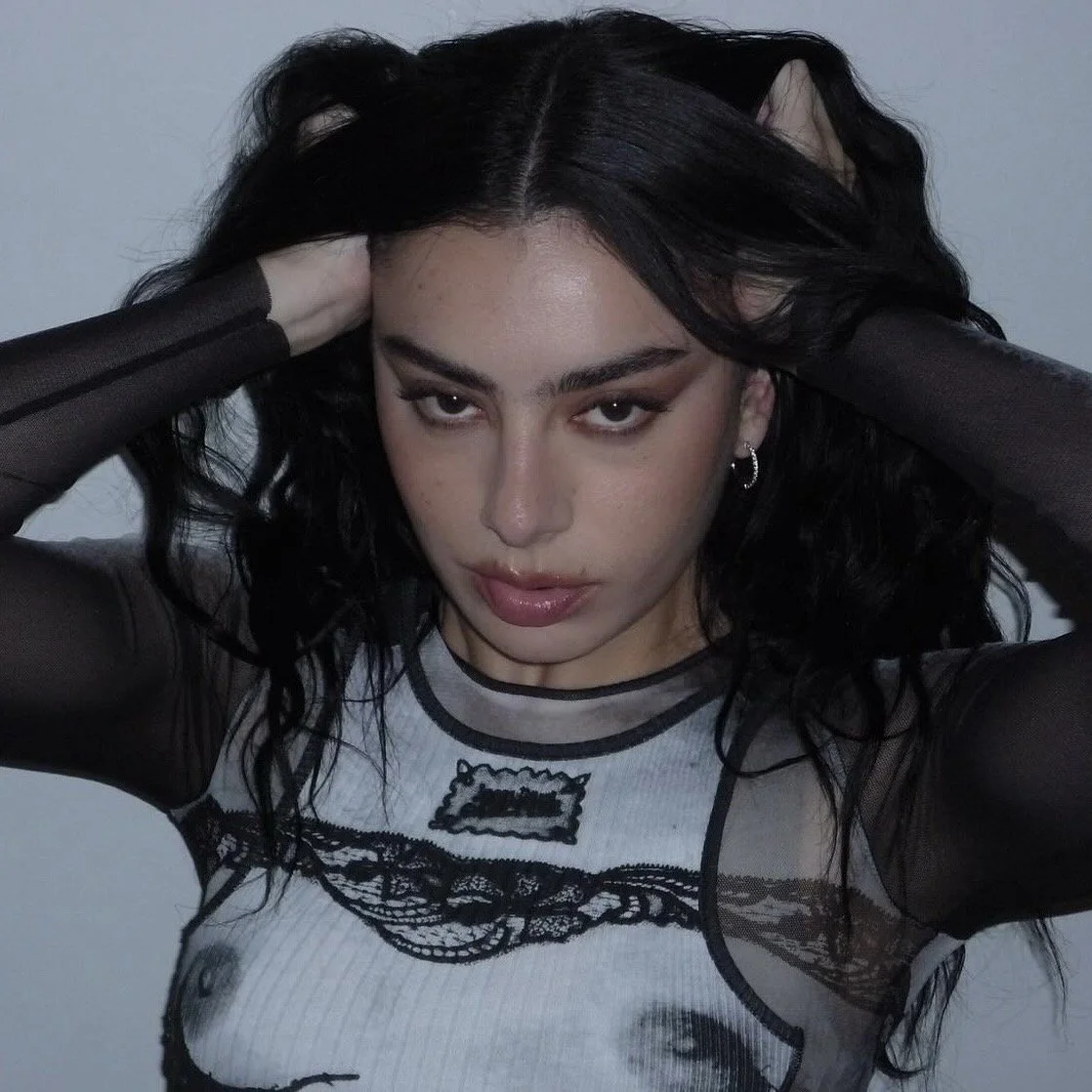
The EP’s closer is like a demented Pussycat Dolls song filtered through a Saw trap, and that’s why, for years, it was my favorite Charli XCX song. Sadly, though, I don’t see a very clear lineage of scary, seductive bangers across the hyperpop landscape. In my opinion, for hyperpop to truly evolve, it needs to mature. We’ve had enough puppy love (see: “I like, I like, I like, I like everything about you”), and it’s time to see how hard this music can fuck. Besides Charli and SOPHIE, some of the only hyperpop artists I’ve seen really explore sexuality are Shygirl and Dorian Electra (with the latter releasing a concept album about a rageful incel who finds bliss through sexual submission). There are touches of sensuality in the works of Cecile Believe and Eartheater, too, but across the genre, there are few moments of real eroticism. I think “Secret (Shh)” provides a great template for an overtly sexy hyperpop banger, and I hope more artists explore that angle in the future.

Part Three: Finish Line
I am not the first, nor will I be the last, to praise Charli and SOPHIE’s contributions to hyperpop. I do, however, wish to pinpoint Vroom Vroom, as a project, as the focal point where the genre fully formed.
Of course, there are other strains of hyperpop that hail from the moody Soundcloud rap scene and are dominated by men. This origin point, however, lacks the political underpinning that makes the genre so significant. Hyperpop takes all of pop music’s perceived “flaws” – high-pitched, processed vocals; ridiculous lyrics; catchiness over subtlety – and turns them up to absurdity. A lot of hatred towards pop music is predicated on misogyny and homophobia, but hyperpop, as a movement, is defiantly feminine and queer, which is why the straight boys on SoundCloud will never have the greatest influence on the genre.
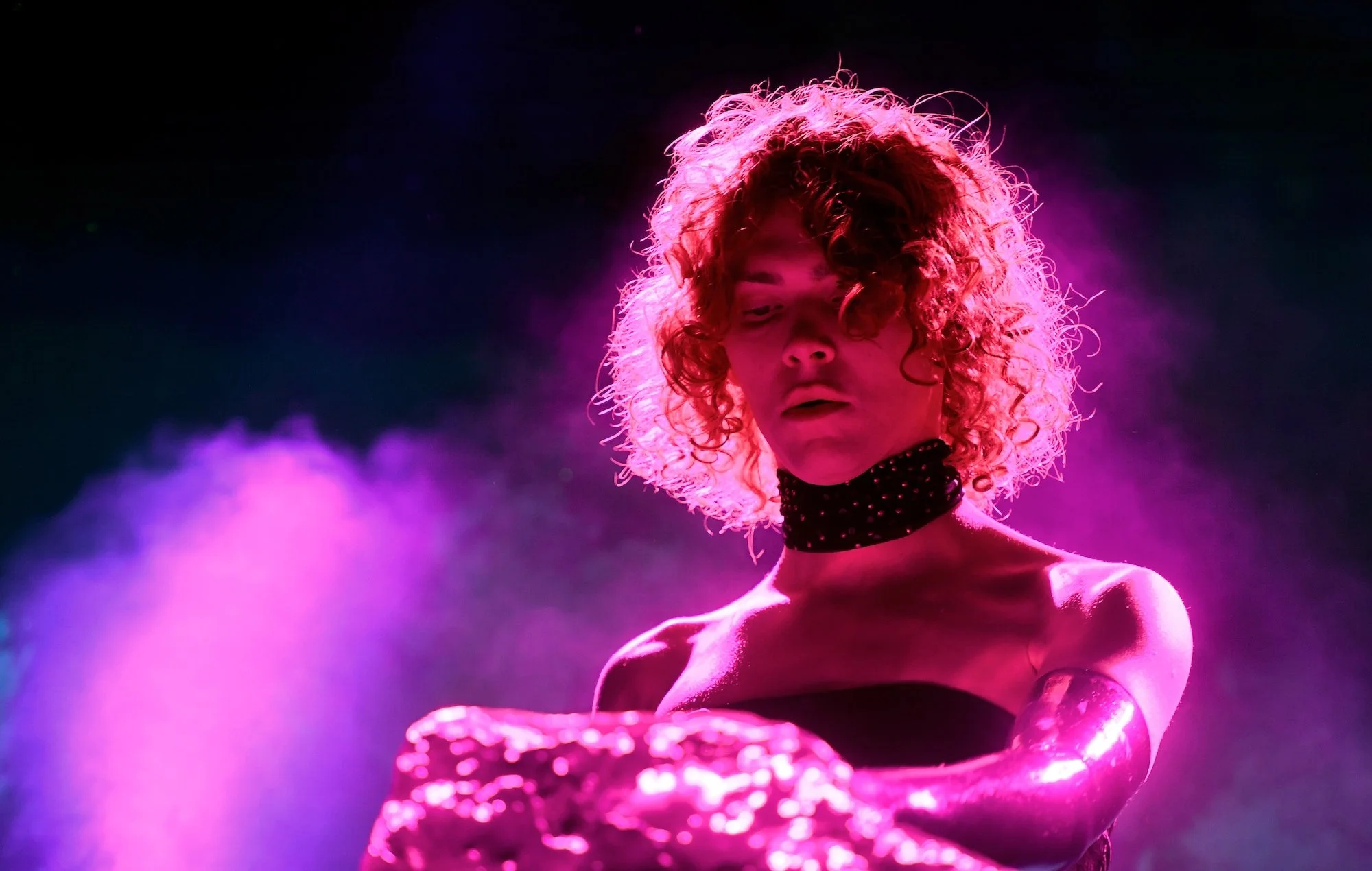
It’s fun reading this decade-old EP as a sacred text for a new generation of hyperpopstars. In 2015, SOPHIE said, “I think all pop music should be about who can make the loudest, brightest thing,” and in 2016, we learned that there were multiple avenues to create such loud, bright things. We could go discordant (“Vroom Vroom”), sugary sweet (“Paradise”), industrial (“Trophy”), or straight-up sexy (“Secret”). Whichever route you take, all roads lead back to Vroom Vroom!