

The House That Sam Built
Sam Levinson, Writing About Women Suffering Doesn't Make You an Auteur.
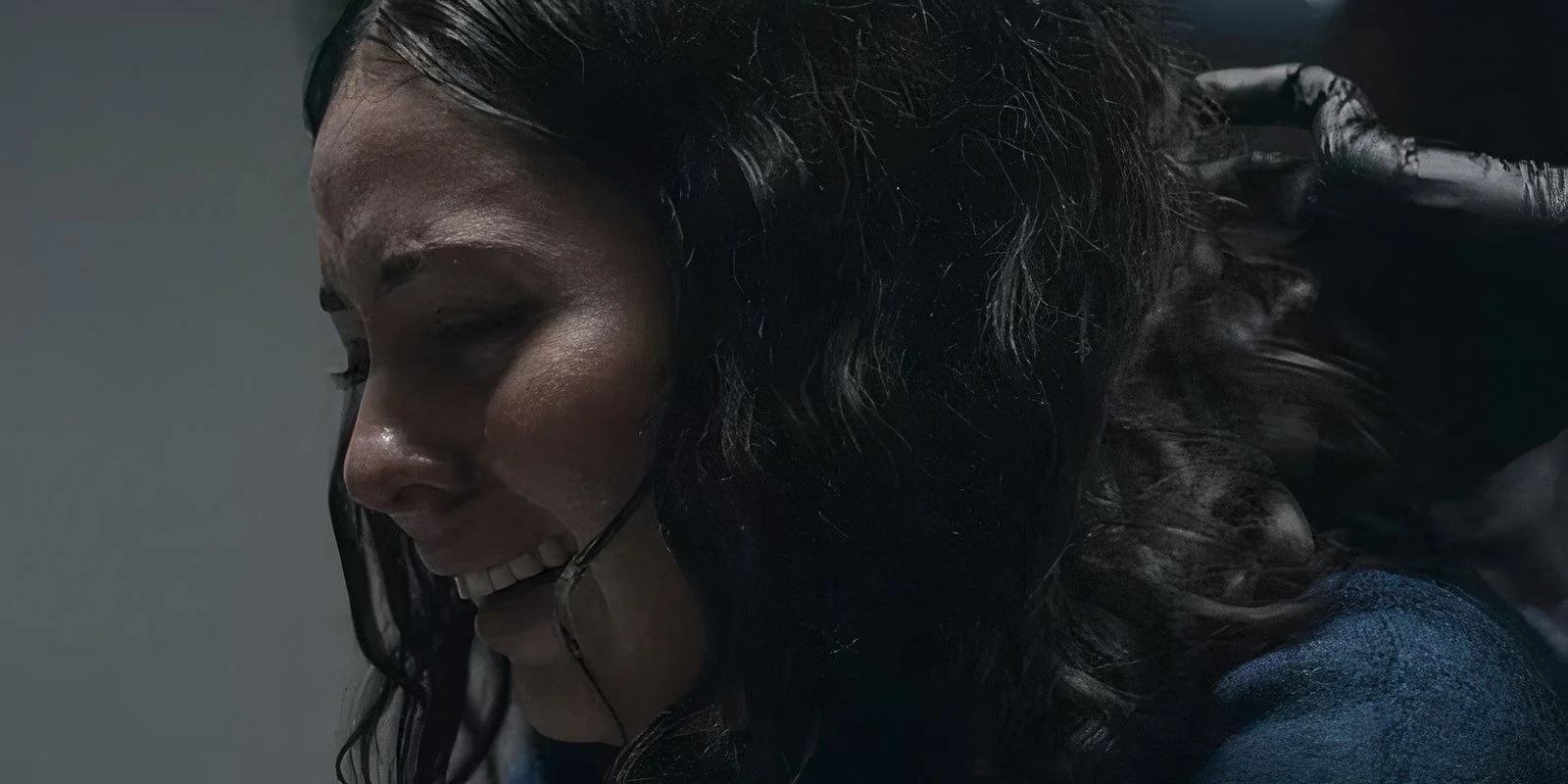
Disclaimer: This piece explores themes of abuse and sexual exploitation.
Not too long ago, I sat down and watched Lars Von Trier’s The House That Jack Built. One of those film picks that you’d see on the “most disturbing films ever made” iceberg posts. A nearly three-hour, gory excursion through the mind of a serial killer who views each kill as a work of art.
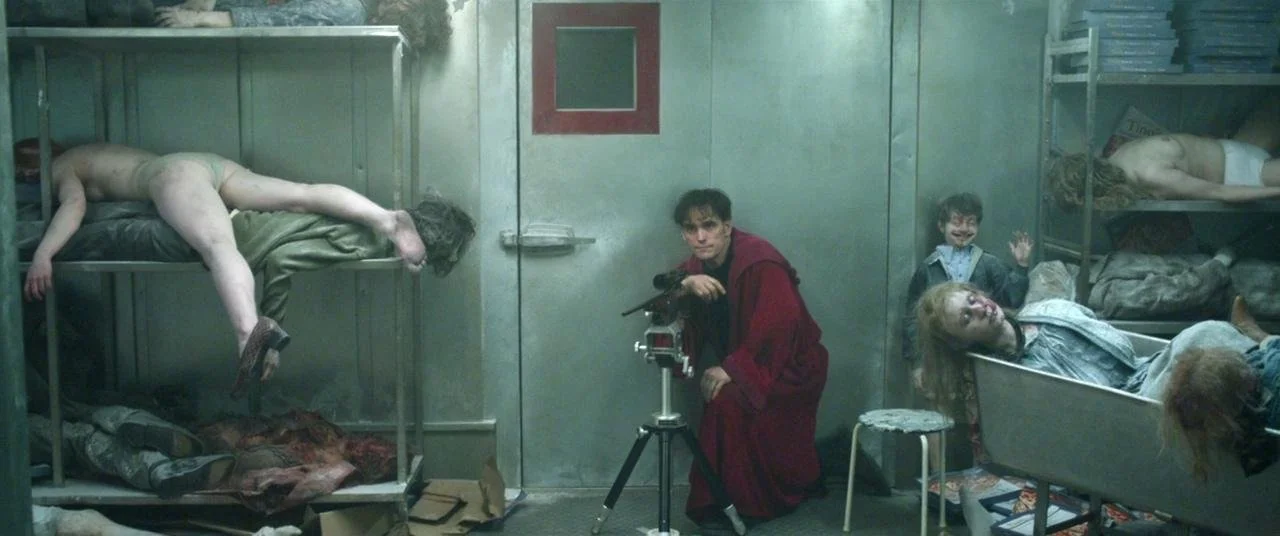
Explaining his actions in overly righteous gobbledygook: “The old cathedrals often have sublime artworks hidden away in the darkest corners for only God to see. The same goes for murder.”
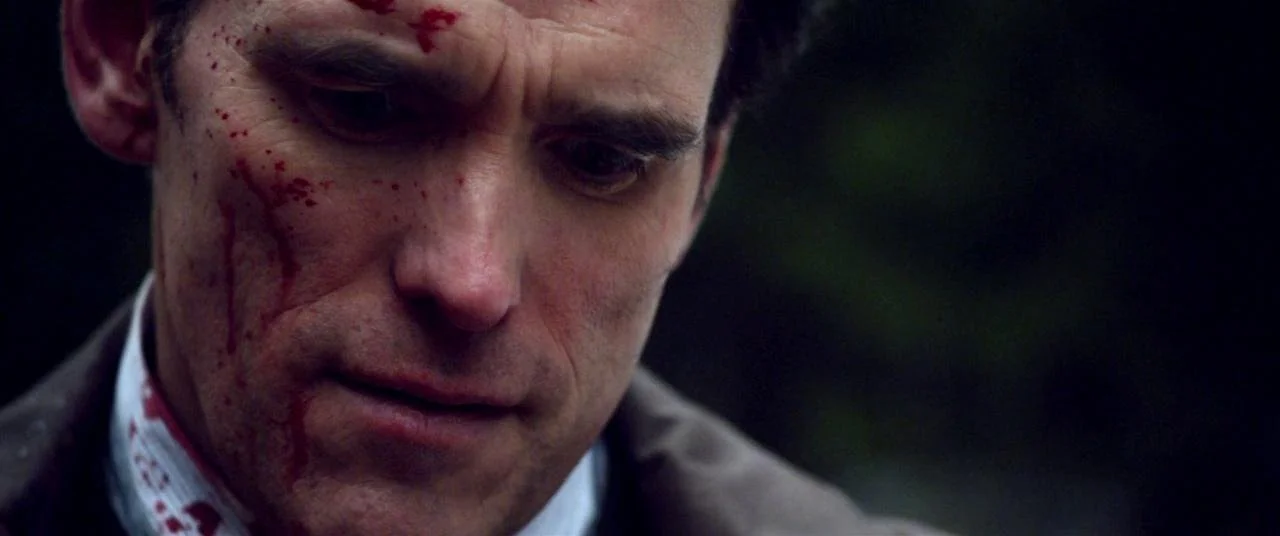
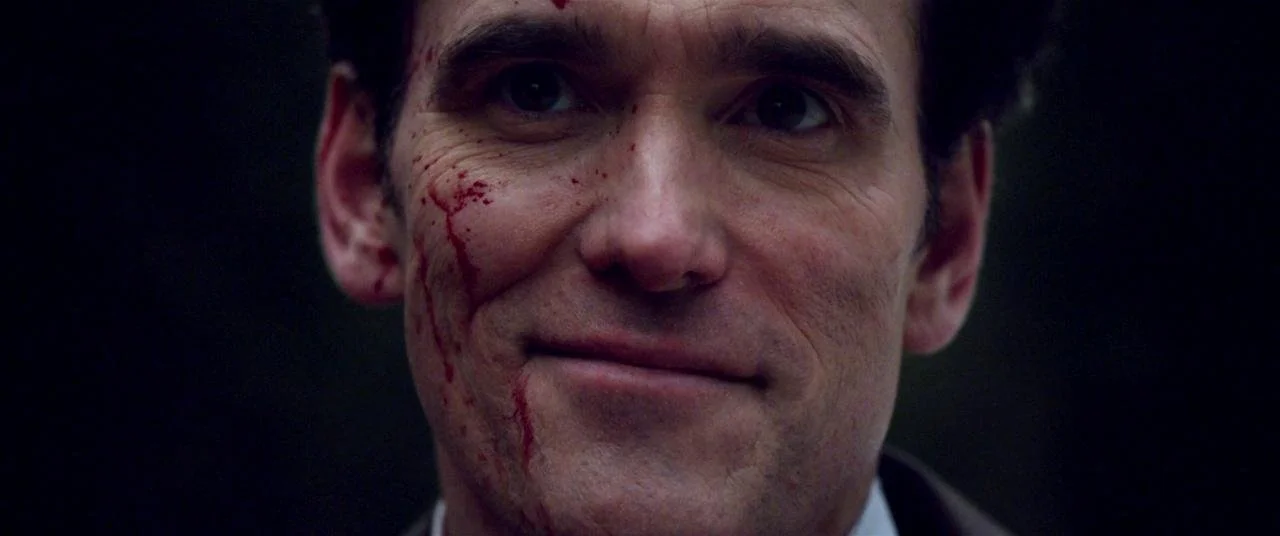
I won’t lie, hearing lines such as these either made me laugh in disbelief at how absolutely stupid he was or roll my eyes in annoyance. The way he spoke about each kill was just him trying his absolute best to convince the character Verge (and by proxy, the audience) that he’s some maverick of intelligence and “artistry” that no one else can comprehend. The more he spoke, the more he reminded me of someone — I just wasn’t sure who, as there’s many men who speak in a similar cadence when referring to their mediocre art.
And then, while watching the most recent episode of Euphoria, it dawned on me...Jack reminds me of Sam Levinson.
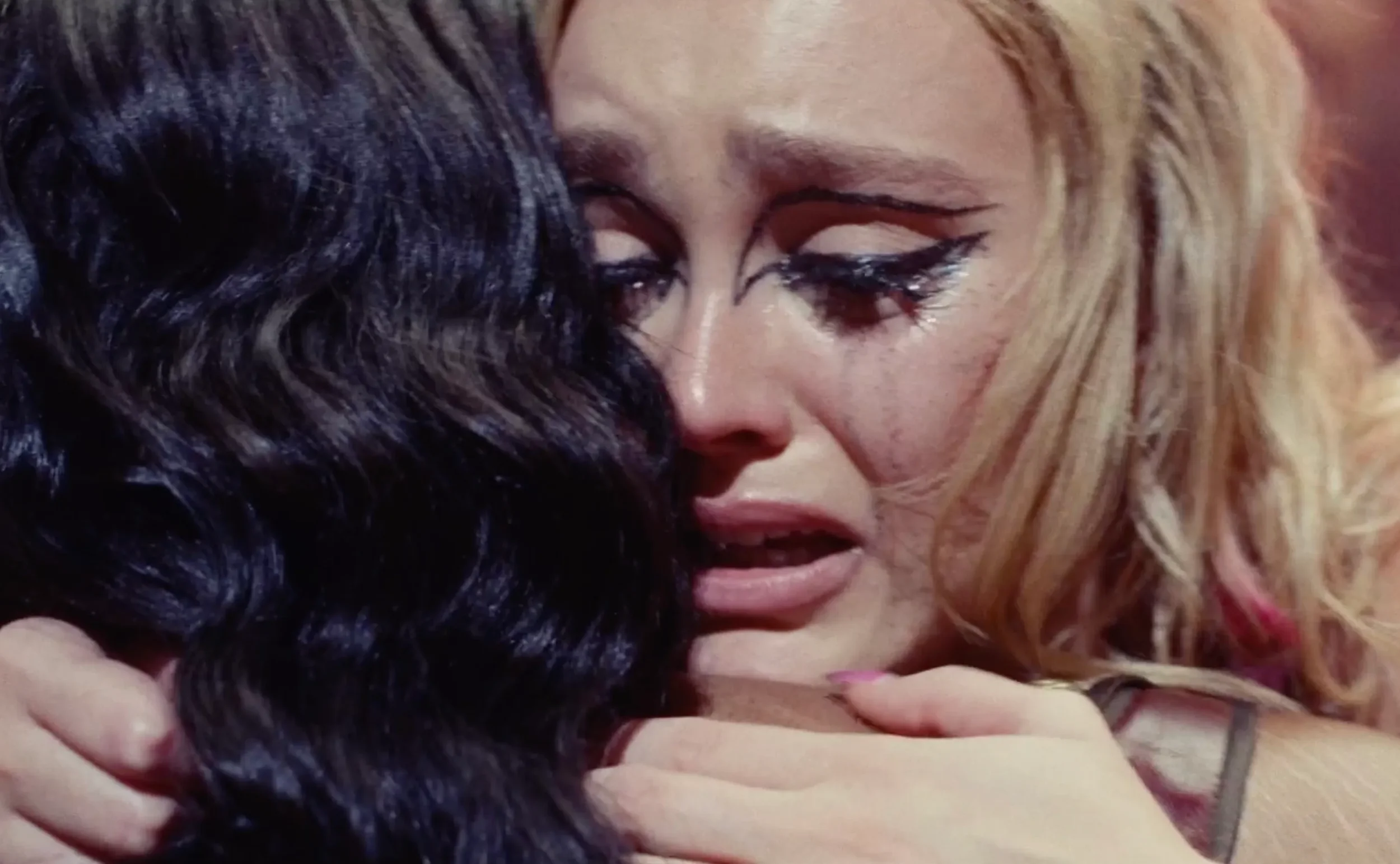
I remember during the press tour for The Idol, he and The Weekend were boasting about how provocative and era-defying this limited series was going to be: "When my wife read me the [Rolling Stone] article, I looked at her and said, 'I think we’re about to have the biggest show of the summer.’” Immediately shrugging his shoulders with a smug smile on his face.
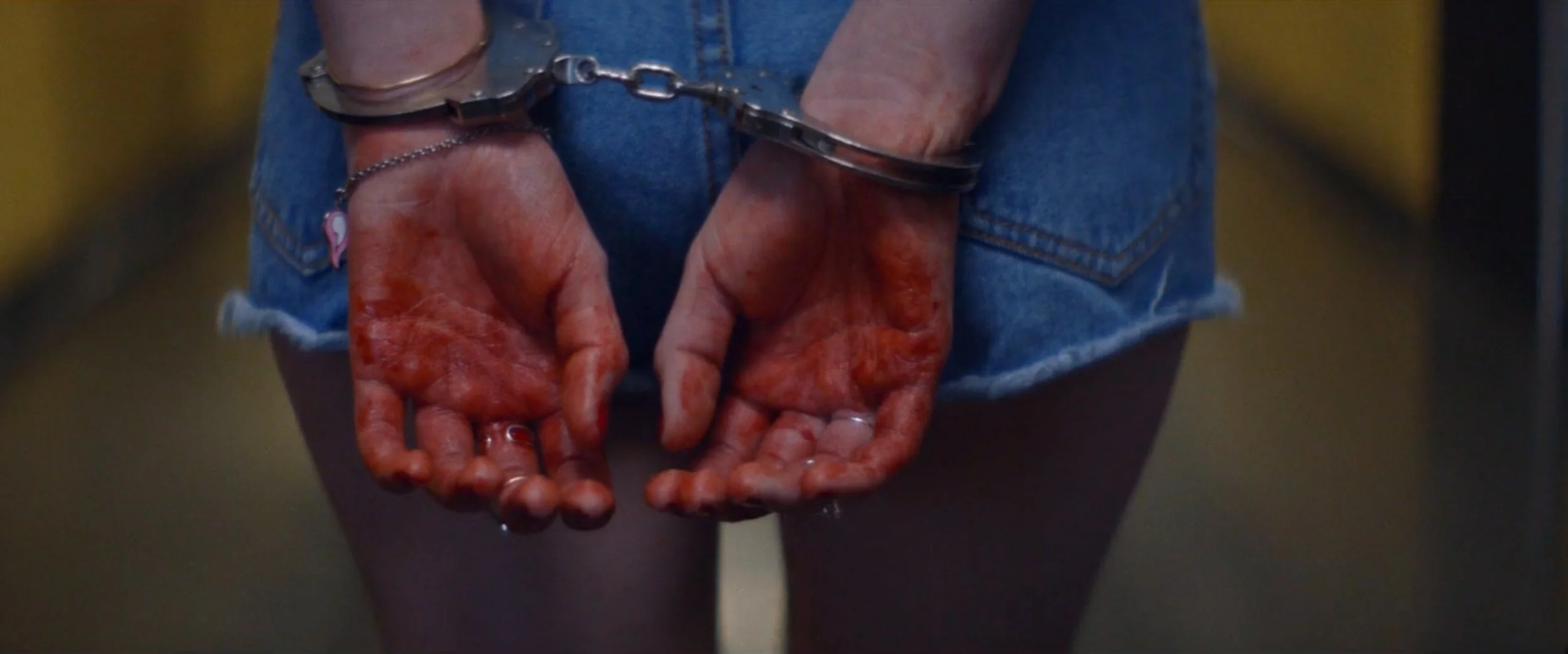
His affinity to brag about subpar projects comes with almost every release under his belt. From Assassination Nation to the aforementioned Euphoria, almost all Sam Levinson-produced projects are half-baked concept pieces built around taboo subjects experienced by teenage girls or young women in their twenties. Whether it be abuse (sexual, physical, or psychological), heavy drug use, or glimpses into the sexual lives of these young women, whenever I watch a Sam Levinson show or film, I feel like a peeping tom.
Within the projects that feature Sam as the sole writer, nearly all of the female characters suffer from abuse from someone close to them, are put in dangerous situations, and are practically tortured on screen for longer than what the average viewer would want to see. Leaving them with a feeling of disgust and almost shame for even watching.
This can best be seen within the character Cassie’s storyline for the final season of Euphoria. The only way I can really describe it is pornographic character assassination. From her original storyline as an insecure teen with daddy issues and a need for male validation, she’s now become an opportunist adult star who will do absolutely anything for fame and a quick buck.
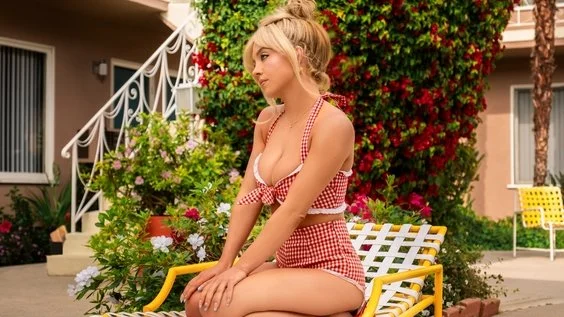
While her reasoning for earning money through OnlyFans is to help get her husband (Nate Jacobs, played by Jacob Elordi) out of debt, the examples shown of her filming content for her fans made me and other viewers feel wildly uncomfortable. From sucking on her own toes, eating out of a doggie bowl, and even breaking windows with her naked breasts, this all feels like an amalgamation of Sam Levinson’s perverted lust for women. Since season one, he’s tried to sprinkle in scenes in which Cassie (who was underage within the show’s timeline) would be shown topless for no reason at all except for shock value. He’s done the same to three other women in the cast of Euphoria as well (Minka Kelly, Martha Kelly, and Chloe Cherry). From what we know, Sam doesn’t pressure these women into doing nude scenes, but it almost feels like he’s waiting for a resounding yes.
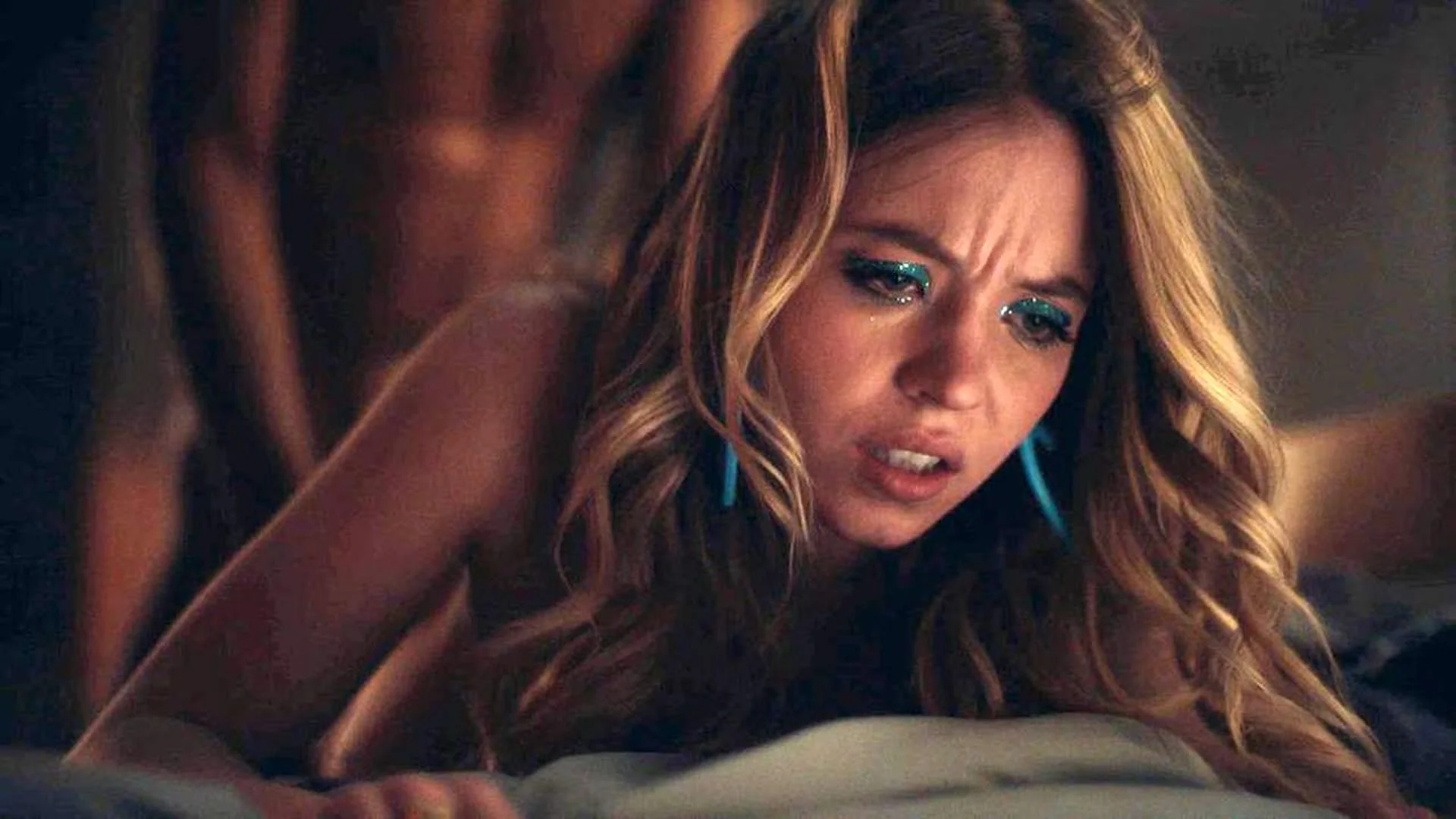
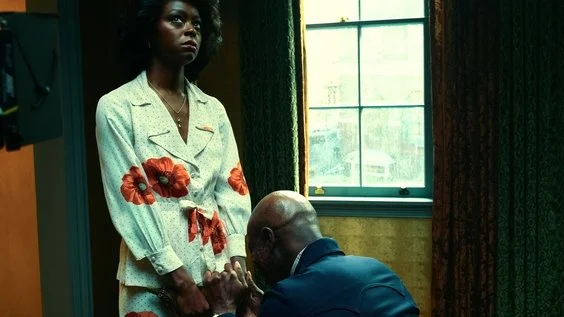
The mistreatment of women within the film industry isn’t new. Lars Von Trier himself has been accused of sexually abusing Björk to the point where she decided to quit acting altogether. Sex and sexuality has always had a complicated relationship within television and film, from the Hays Code of yesteryear to the misogynistic erotic thrillers of the 90s. Women in film have always suffered due to a system that equates their value with their sex appeal. In terms of Levinson’s writing, he only sees his female characters as eye candy or amoral scammers. He tries to rationalize why a character like Faye would get entangled with a Nazi, or why Alamo’s mother (Mama Brown) would steal from a burn victim who treated her kindly, but it all ends with a question mark. These characters serve as nothing but bird feed for the more important plot happening with the male characters.
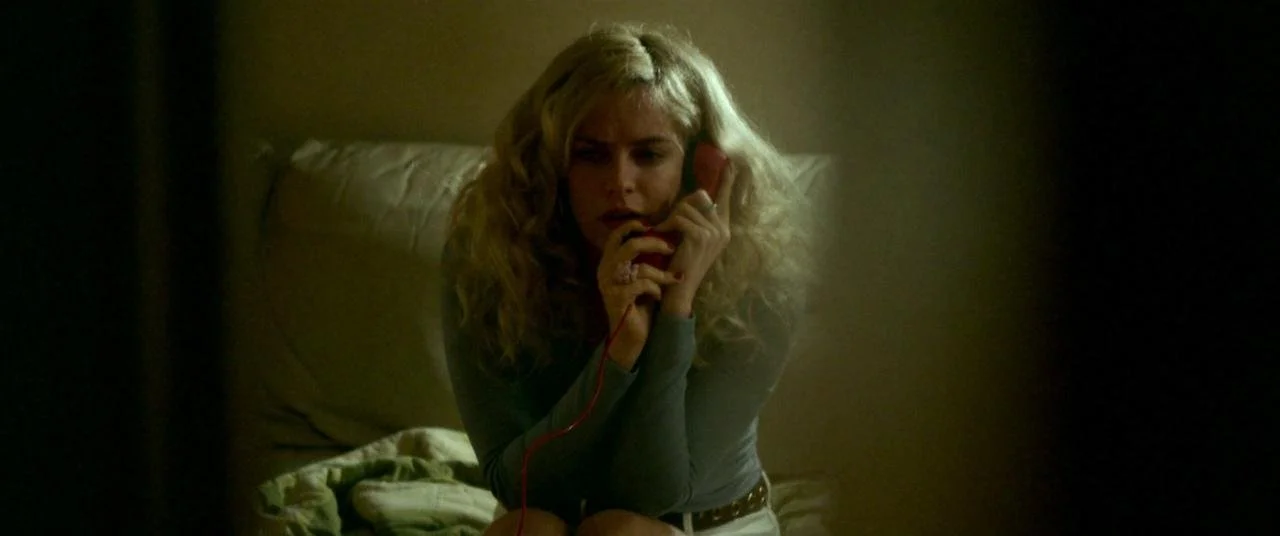
Sam Levinson’s treatment of women within his scripts remind me of a character from The House That Jack Built: Jacqueline, played by Riley Keough, or as the protagonist calls her, “Simple.” A woman in a peculiar situationship with Jack himself. We catch a glimpse into the last few hours of her life, where Jack marvels at her “great tits” and ignores her request for a less insulting nickname. He quizzes her on the differences between lions and tigers, engineers and architects, and gets viscerally upset when she doesn’t answer each question the way he wants. He beats her down mentally, nicknaming her “Simple,” criticizing her “limited brain.” To him, her mind holds no value, but at least she has great tits. Later in the film, he cuts them off and turns them into a wallet that he holds no shame in flaunting around.
To be frank, the last season of Euphoria feels a lot like that tit wallet. A violent, grotesque, and animalistic display of misogyny. While you can make the argument that this violent turn is because they decided to go the Western route, I would have to disagree. Throughout the series, the female characters of Euphoria suffer grotesque abuse: Rue with Laurie and Alamo, Jules with Nate’s Dad and her sugar daddy, Maddy with Nate, Cassie with numerous male characters, and even Kat, who became a cam girl and gets groomed by old men online. The women of Euphoria are all victims, and almost none of them get a happy ending – except for Lexi, who is just a gender-swapped self-insert for Sam. The only female character who made it out somewhat unscathed is the pretentious prude who looked down on all of the girls she went to school with. To put it plainly: that’s not good writing, that’s just good ol’ misogyny at play.
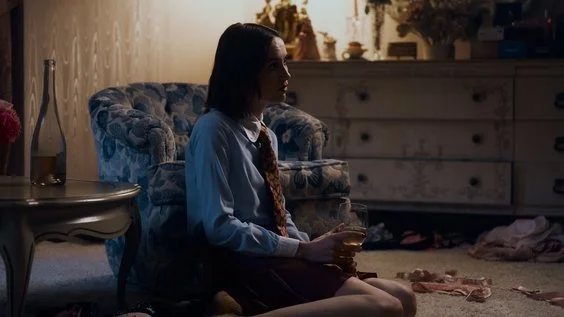
I think back to the book Unlikeable Female Characters: The Women Pop Culture Wants You To Hate by Anna Bogutskaya and her analysis of female archetypes. In the section “She Must Be Punished,” she goes through the brief history of Femme Fatales within Hollywood. They possess glamour, confidence, intrigue, and drive, but by the end of their story, they’re punished for it.
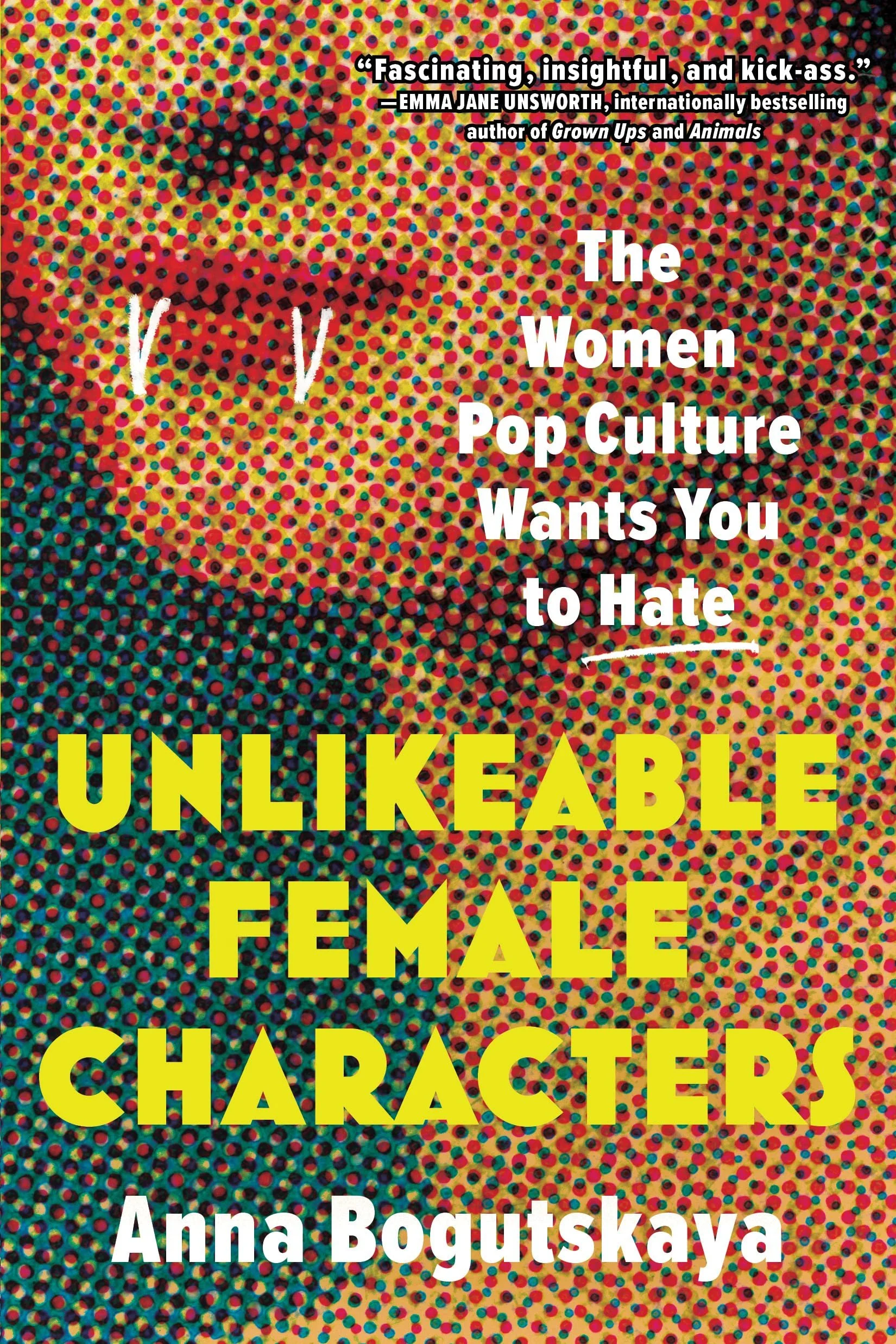
“The femme fatale was always coded as a warning sign to other women: this is how you’re not supposed to behave, and this is the punishment you’ll endure if you cross the line. It visually coded female sexuality as something fearsome—at best contained, and at worst punished.”
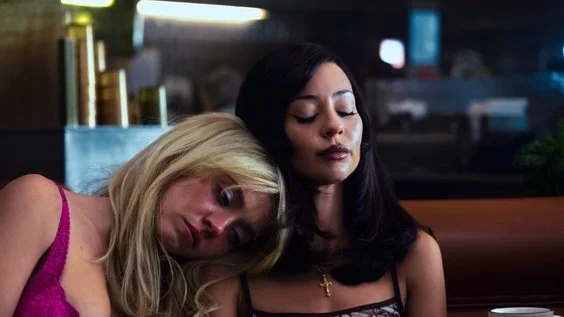
Almost all the women of Euphoria are punished. Rue dies of an overdose, Maddy and Cassie become madams of their own brothel, Kat’s whereabouts are unknown, and Faye dons her swastika tattoo, presumably starting a new life and producing Anglo-Saxon babies with her Nazi beau. Remember when this show took place in high school? Euphoria, which originally began as a gritty, glitter-filled, teenage drama, has since become a piss-washed Western that heightens the saturation whenever they cross the border. Glitter has been replaced with dirt and grime, while the drama has been usurped by gore, Nazi imagery, and fetish content, leaving a gigantic question mark over its legacy as a primetime television show.
The script feels like another white man trying to become Quentin Tarantino, mirroring every beat as he tries to turn himself into a modern icon that college students will study in their thousand-dollar Screenwriting 101 classes. When it comes to the quality, there is no release in his writing, no calm, just constant tension. What becomes of a show that’s constantly chasing a high? Upping the ante with every chance it gets? You build up stamina, the euphoric feeling dissipates, and now you’re sitting on the couch wondering why this dose isn’t hitting as hard as it used to.

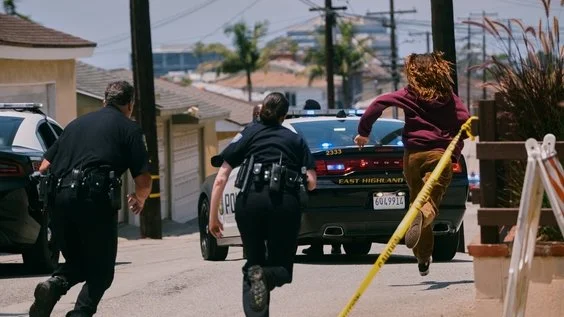
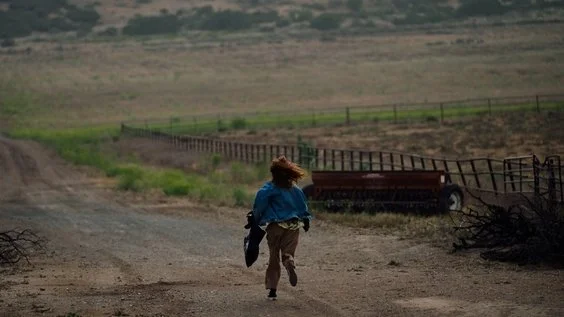
Euphoria has supposedly come to an end with its final(?) episode airing May 31st. It was immediately ridiculed online as one of the worst finales in television history, following shows like Game of Thrones, Stranger Things, and The Boys. Euphoria Sundays came to an end as we all collectively sat in front of our screens and asked ourselves, “What the hell was that?”
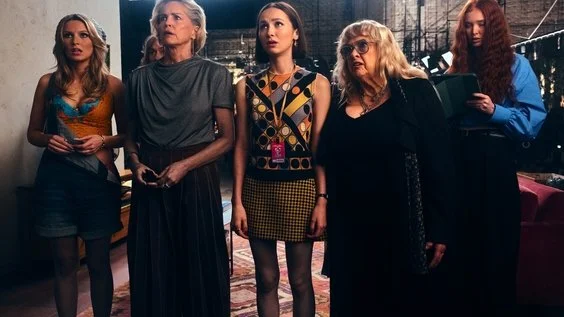
Even though I’ve been shitting on Sam for most this piece, I’ll come clean as person who loves fucked up media. My favorite compilation is The Broken tape by Nine Inch Nails, which is practically a snuff film with music videos; Crash (1996) will forever stay in my top three; and Bob Flanagan’s work in which he nails his penis to ply wood is something that I hold near and dear to my heart — but that’s due to one thing: reasoning. The Broken tape came out of Trent’s frustration with his previous label, Crash is an exploration of relationships and the never-ending chase for pleasure, and Bob Flanigan’s nailing of the helmet head was a big middle finger to his cystic fibrosis. Grotesque imagery makes sense when there’s reason. The House That Jack Built makes sense as a reflection of Trier himself. In the behind the scenes for episode eight, Levinson said he wanted to tell an “honest” story about addiction, the grief that people experience, and the emotional turmoil. Euphoria is anything but honest. It’s a slap in the face, a horror show at best. A three-season merry-go-round that builds up to an ending in which nearly everyone suffers. And a portrait of suffering doesn’t make art good. In the words of the late David Lynch, “Suffering reduces. Negativity is the enemy of creativity.”

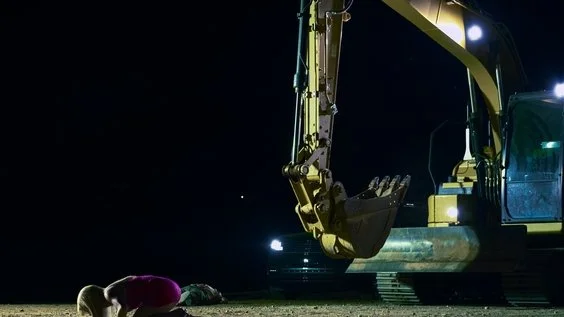
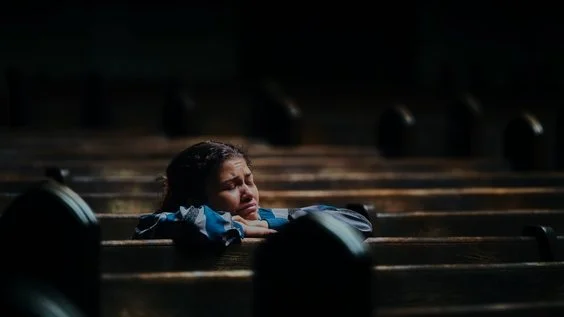
So, Sam Levison, writing and sexualizing women suffering doesn't make you an auteur; it makes you just another uninspired misogynist.