

DEADBEAT and the BRAT Formula
Five years after his critically acclaimed pandemic album, The Slow Rush, the Australian one-man band Tame Impala is back with a new LP. Trading his psychedelic rock sound for more house-inspired beats, DEADBEAT is an interesting album from Kevin Parker, and I’ll be honest…I’m not sure how to feel about it.
I know I’m beating the proverbial dead neon green horse by even mentioning its name, but ever since the release of BRAT, there seems to be a resurgence in bass-thumping, ear-bleeding, synth-filled club music. Everyone wants to go to Berghain, everyone has Aphex Twin’s logo tattooed somewhere on their body, and the urge to dance the night away is stronger than ever.
I listened to DEADBEAT’s first single, “End of Summer,” while cleaning my apartment and getting high off of my boyfriend’s weed pen. I kept replaying the track, as something about it was just so infectious. With its afrobeat-inspired toms, a deep four-on-the-floor kick drum, and a whimsical, whirring synth playing in the background, the song felt like I was driving on the 10 at 3 AM on a Sunday, as the DTLA skyline came into view. I was excited after hearing this release. It was something new from the one-man band, and it had me wondering how it would fit with the rest of the album.
As the follow-up singles “Dracula” and “Loser” were released, my excitement was still there, but I won’t lie…I was scratching my head a little bit. That whimsical feeling I had while hearing the first single was gone, and it felt like I was listening to old Tame Impala B-sides. They weren't bad, but I've heard them before. “Dracula” felt like it was left off of The Slow Rush, and “Loser” felt like it would’ve been on one of his earlier LPs.
The non-linear energy of the singles matches the album. It feels more like a jumbled playlist made by two people with different music tastes, and in many ways, it doesn’t really work well. Compared to the warm, nostalgia-filled psychedelic alt-rock that existed in his previous projects, this album feels cold and almost corporate. I kept hearing other artists on this album when I should’ve just heard Kevin. The dreamy landscapes that I would picture while listening to his music were now replaced with grey tones and dreary images. It felt like the type of music I would hear while watching a car commercial.
“Ethereal Connection” wears its influences on its sleeve, as the melody that Kevin sings during the chorus borrows heavily from The Chemical Brothers’ “Star Guitar”:
Oblivion’s steel key pad melody sounds like a slowed-down version of the chorus to Aespa’s Better Things (prod. Leroy Clampitt and RAYE).
And certain cuts on DEADBEAT feel like they desperately want to be a part of an Underworld album. As a whole, this entire album feels messy.
The rollout for this album was interesting: Kevin was seen doing random DJ pop-ups at The Lot Radio, Cafe Tondo, and with Cercle in Mexico, leading up to the release of DEADBEAT. It seemed as if Kevin’s team was searching for viral DJing moments akin to the Party Girl Broiler Room that would serve as free marketing for the album, but each set fell flat. Compared to the artwork for previous releases, the artwork for this album is noticeably different, with DEADBEAT taking a more minimalist approach. It was clear from this rollout that Columbia was following the trends that Charli and her team had made with the release of BRAT last year.
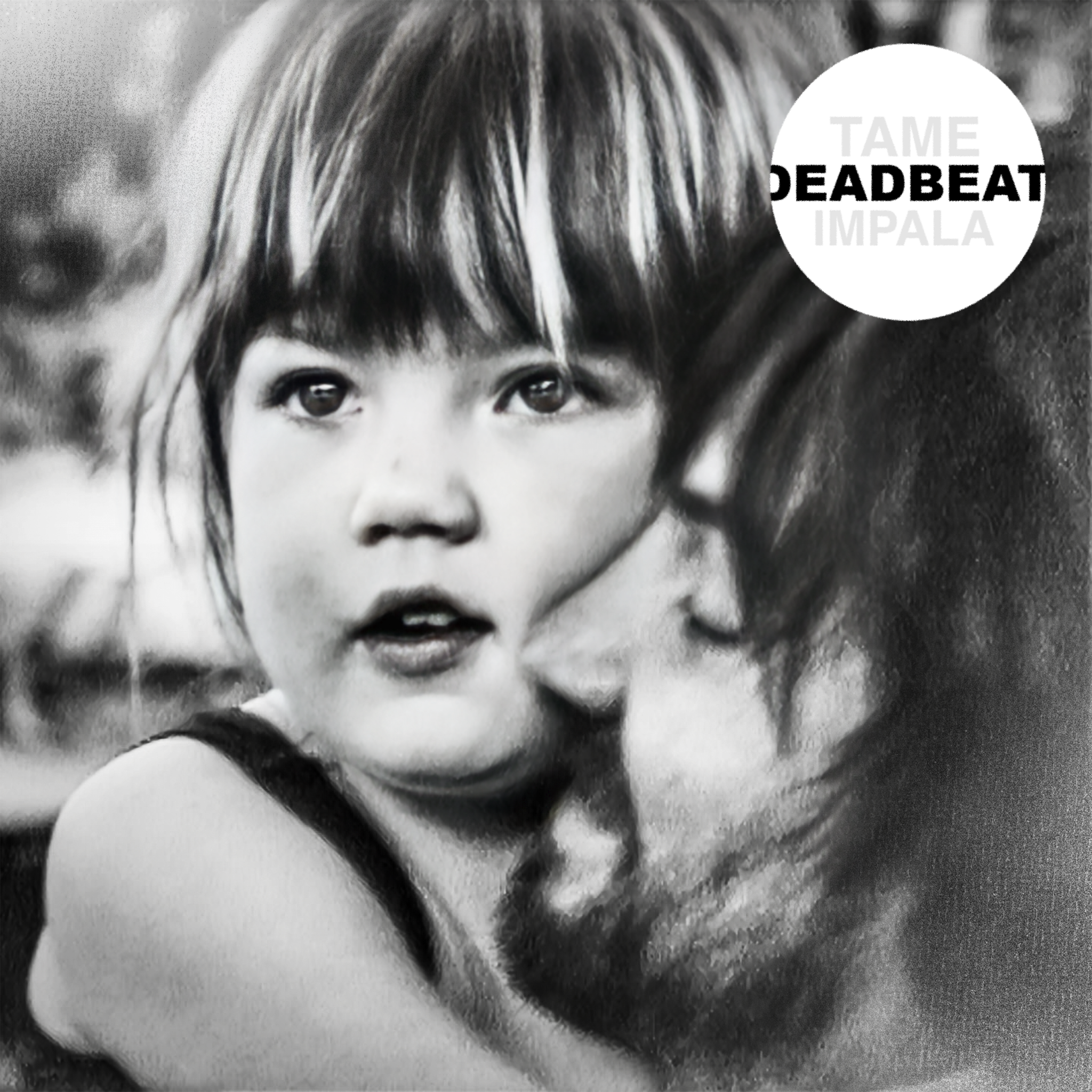
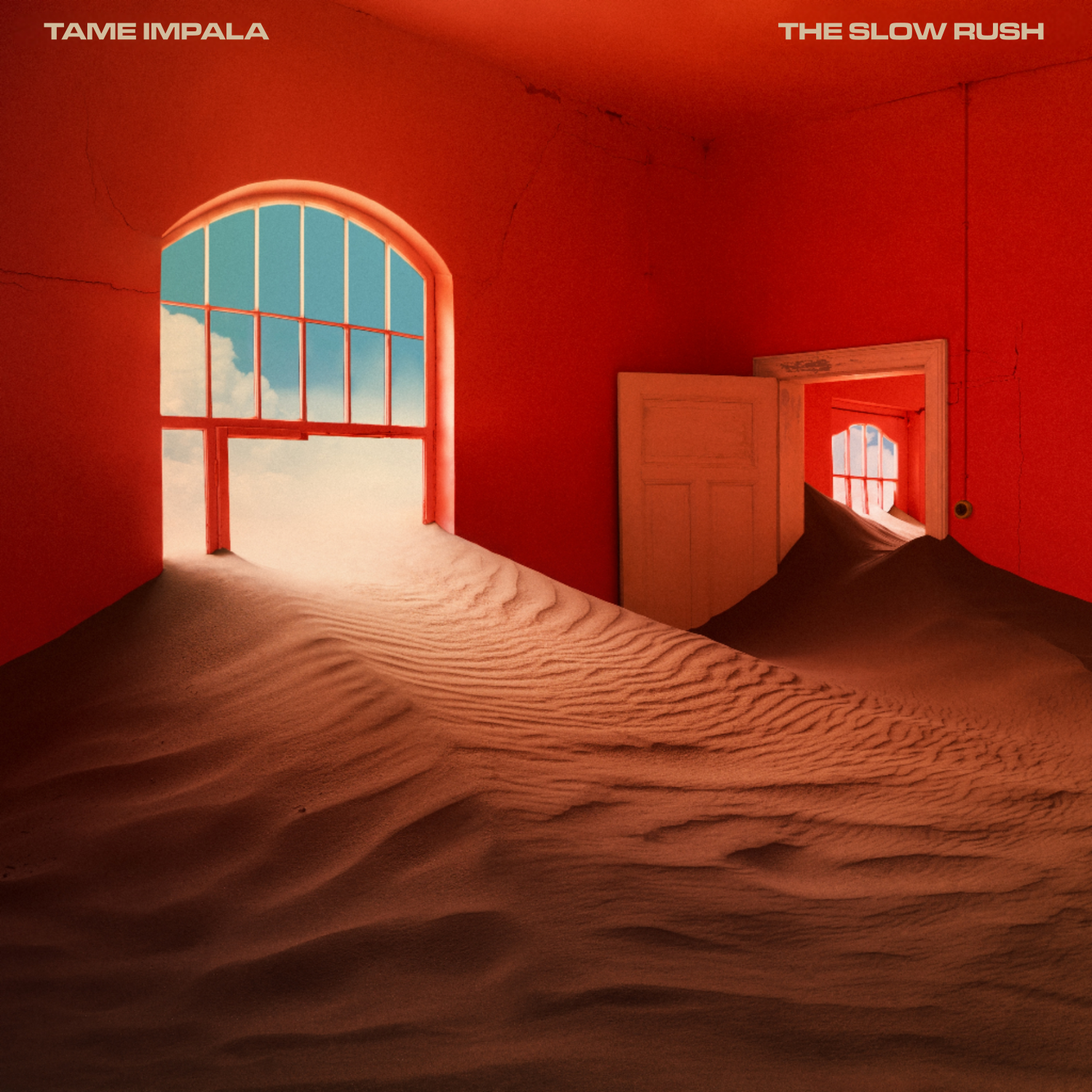
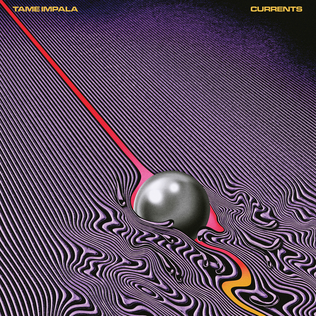
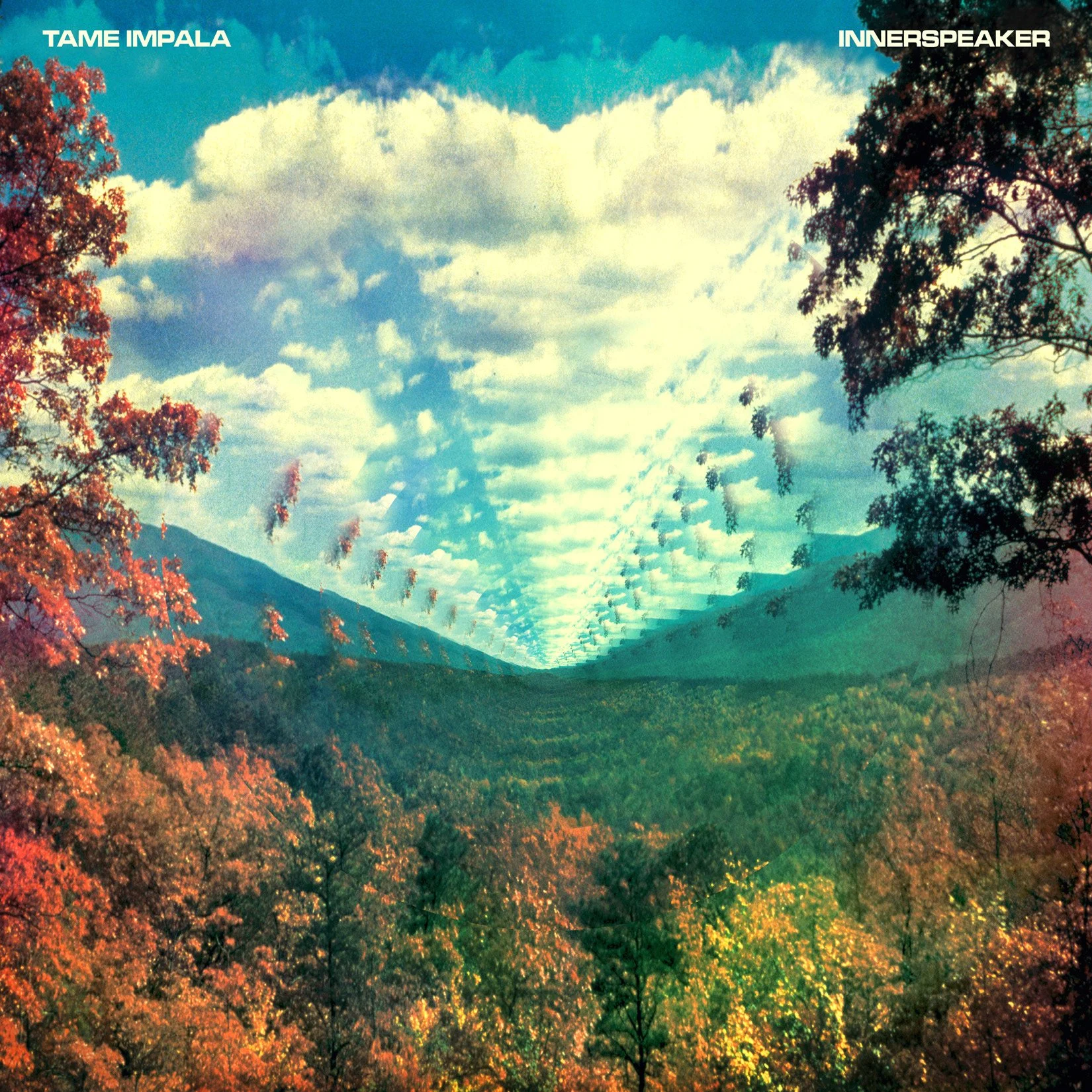
While BRAT’s relationship with the rave and club scene feels genuine, DEADBEAT falls short. It feels more like the type of music you would hear while soft clubbing rather than a euphoric joyride.
Kevin is not the only artist who’s performatively turned to the decks; many artists and their teams have been following Charli’s rollout plan, with some hiring the same team. This whole process leaves me wondering, will this be the future of promotion from major labels?