

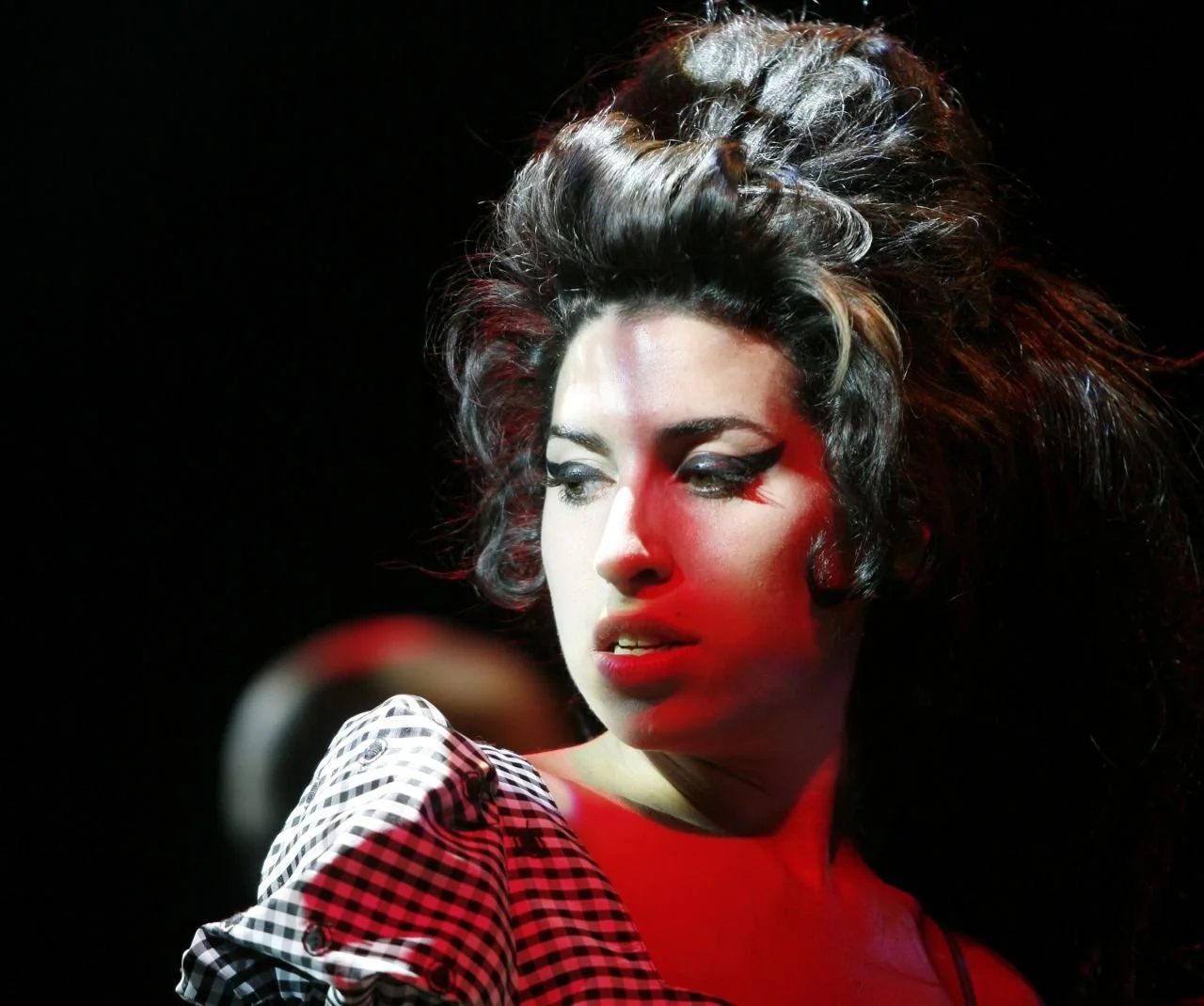
It’s officially been 15 years since her untimely death, and the music industry still searches for a replacement.
Disclaimer: This article discusses substance abuse and eating disorders. Please be mindful of whether or not you are in a place to consume such content.
Adele ascended to international superstardom in 2011, as Amy publicly spiraled further than ever before. I’m not saying that Adele’s success would not have happened otherwise, but definitely not at the same scale if the queen of “blue eyed soul“ didn’t pass away mere months later. It’s similar to how the Hunger Games movies filled the gap in the market during the conclusion of the Harry Potter and Twilight series.
Today, Raye’s music and aesthetic obviously channels Winehouse’s. It is, of course, not fair to say that she’s copying or imitating her, since Amy’s most popular aesthetic channeled Black Soul musicians of the 1960s. However, given our collectively nearsighted scope of music history, I think it’s clear that she is at least paying homage to Amy.
We also have Lola Young, serving us a cheapened version of “Rehab” in 2025’s “Record of the Year,” “Messy.”
Jorja Smith got the Amy Winehouse comparisons during her come-up, too, and when I saw her live in 2019, she and Kali Uchis even performed a lovely rendition of “Stronger Than Me.”
I believe that the people of the UK carry an immense cultural guilt around the relentless bullying and tabloid culture that contributed to the demise and death of Amy Winehouse. Every time I see a new “edgy“ British pop star with a raspy voice and a style influenced by soul and jazz (see: Sienna Spiro) I am reminded of that fact, and I think to myself, “Wow they are really not over it… and maybe that’s a good thing?”
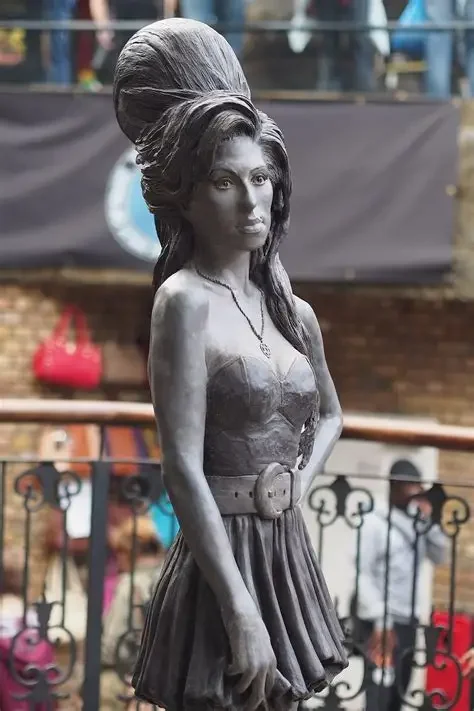
A statue of Amy Winehouse in Camden, London.
It makes me think about who we are missing in America. Whose shoes are we trying to fill? I think the most obvious answer would be Britney Spears. From Addison Rae to Tate McRae to Zara Larsson, there seems to be a cultural yearning for a dancing blonde bombshell with indelible pop hits. And maybe that stems from nostalgia for the heyday of Madonna, who was influenced by Marilyn Monroe, and so on and so forth.
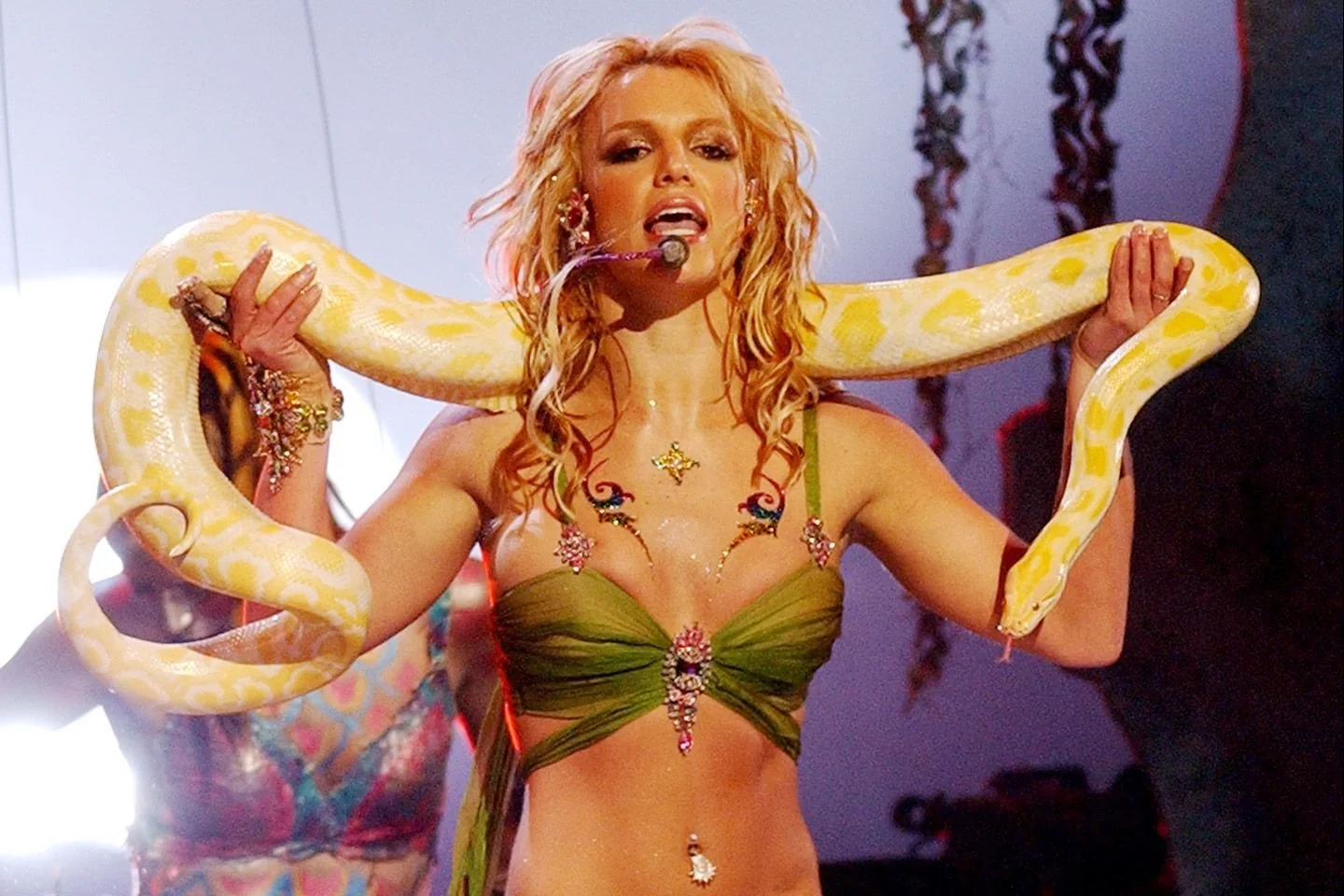
There is a way that capitalist societies consume and destroy talented young women, and when they succumb to the pressure and die (like Amy, Marilyn, Whitney, etc.); end up under the control of powerful men (like Britney Spears); or simply get older and lose touch with the trends of the moment (a fate seen by many as worse than death), we so quickly try to replace them, instead of letting the void be felt.
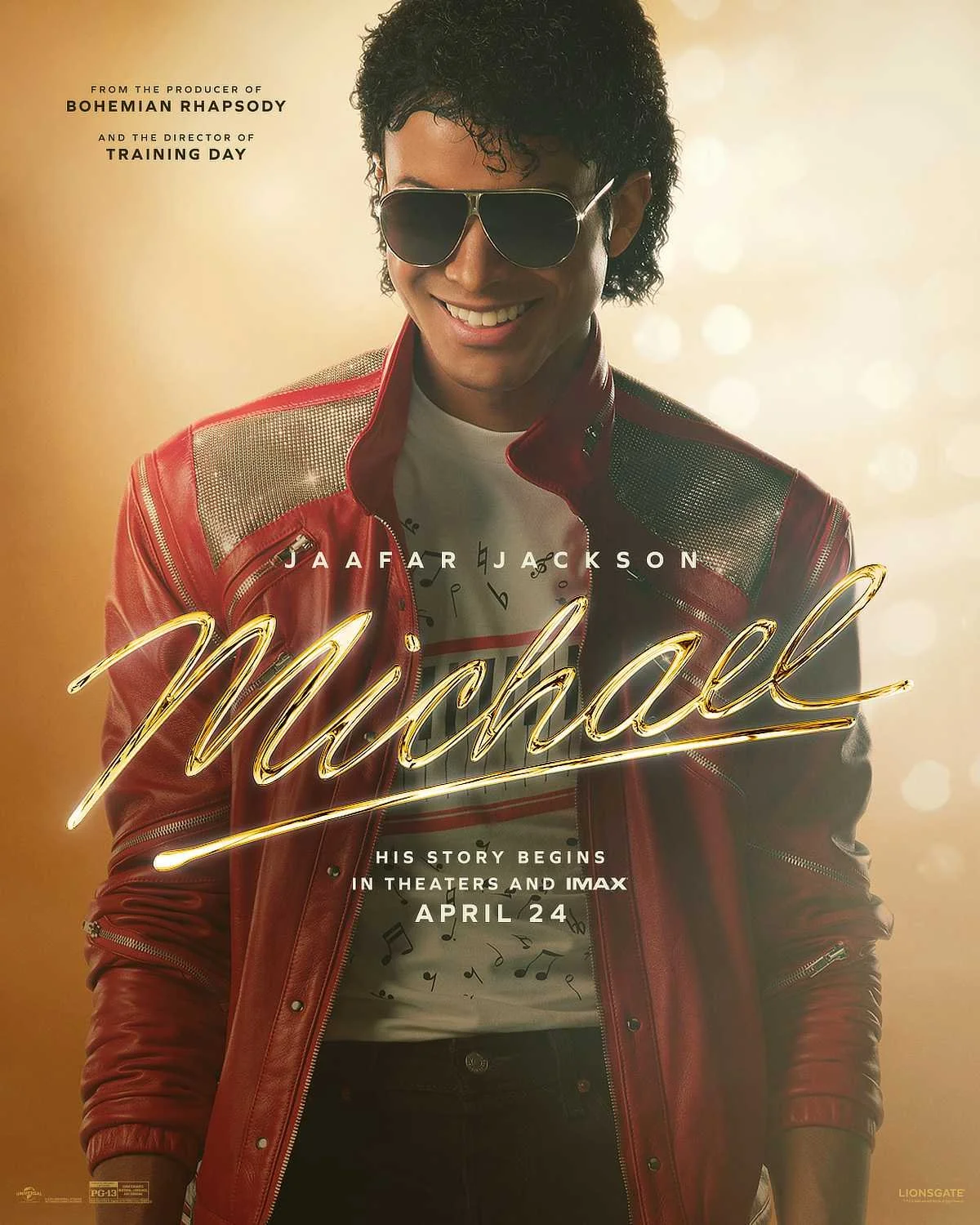
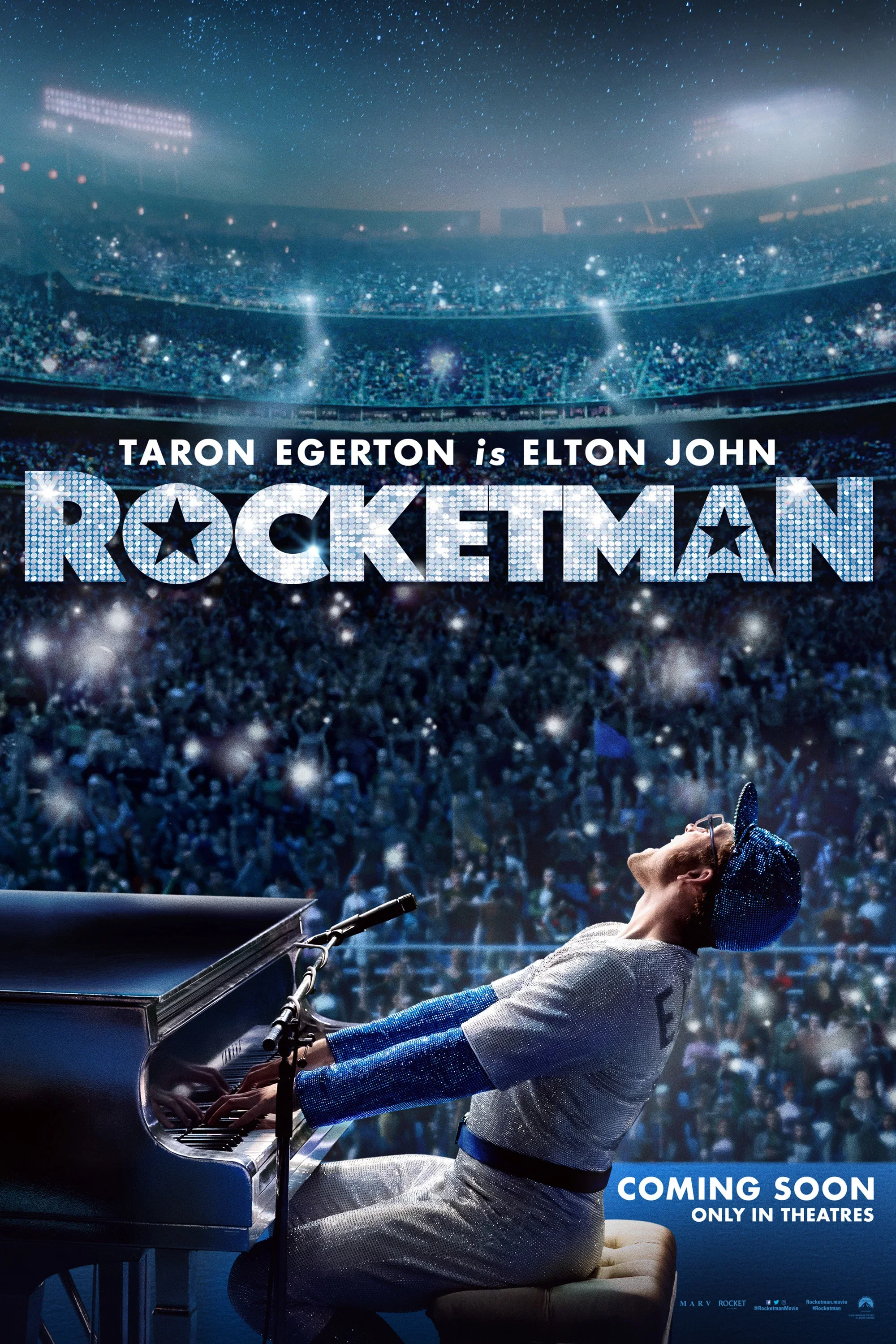
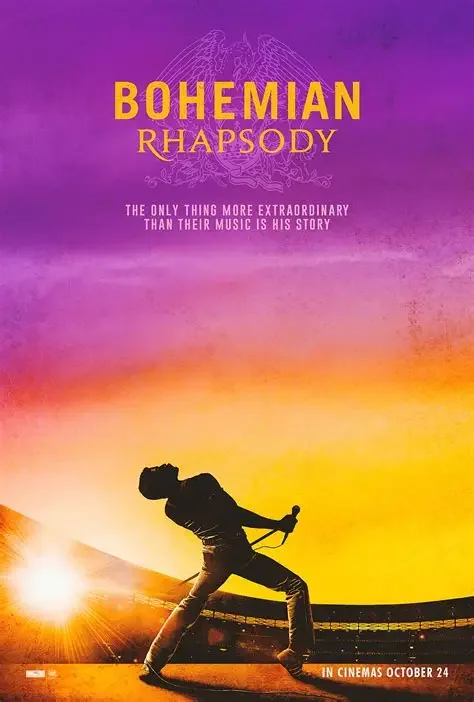
I think this is evident in comparison to male artists. I have yet to witness a hunt for the next Michael Jackson. Is it because he’s too far in a league of his own, or is it because we allow men to be one of a kind? Rocket Man, Elvis, Bohemian Rhapsody, Michael – these blockbuster films capture the mythos and grandiosity of inimitable pop giants, but I haven’t seen anything to that cultural scale commemorating Whitney Houston, Tina Turner, or Madonna.

“Meninists,” “red-pilled” men, “incels” – whatever you want to call them – tout the idea of male disposability as evidence of society’s oppression of men. This includes statistics of male combat fatalities or men’s work in physically dangerous fields. It can be hard to sympathize with these “men’s rights activists” when the “disposability” quite obviously stems from a class issue engineered by the men at the top of our fucked-up class structure.
While modern misogynists focus on the unfairness of male disposability, it is important to acknowledge the way that our media landscape, pop culture, and music industries still slot female artists into misogynistic archetypes to make sales. Amy’s archetype was the tortured crooner with an old soul, wise beyond her years. This type of pop figure is only seen as unique, if not anomalous, because of the market's obsession with female sexuality. The music industry is so focused on selling women and girls’ bodies that a woman wearing clothing, writing her own songs, and expressing “deep” feelings appears revolutionary.

Pop music aesthetics are reinforced by and also contribute to societal values, and for the past few decades, youth (the appearance of youth, the feeling of youth, and the emotional depth of youth) has remained the top priority for music executives when promoting new artists. Maybe if youth weren’t fundamental to stardom, we wouldn’t be circling around every few years looking for “a wise beyond her years” pop star to worship.
There are, of course, antidotes to this trend. I think pop artists who blend the exuberance and freedom of youth that pop music conveys with the maturity, insight, and wisdom that come with life experience are our safest bets to escape this boring false dichotomy between “vapid pop” and “real music.”
Back to Amy. Her death is not simply the story of a woman who fell victim to fame. She suffered from alcoholism, substance abuse disorders, mental health issues, and a lifetime eating disorder, reinforced and rewarded by a society that expects women to be as small as possible. I think that people mostly focus on her relationship with drugs because it fits into a particular narrative of the “tortured artist” and the mythology of the 27 Club. But beyond that, I don’t think people talk as much about her eating disorders because that means taking a look at ourselves.
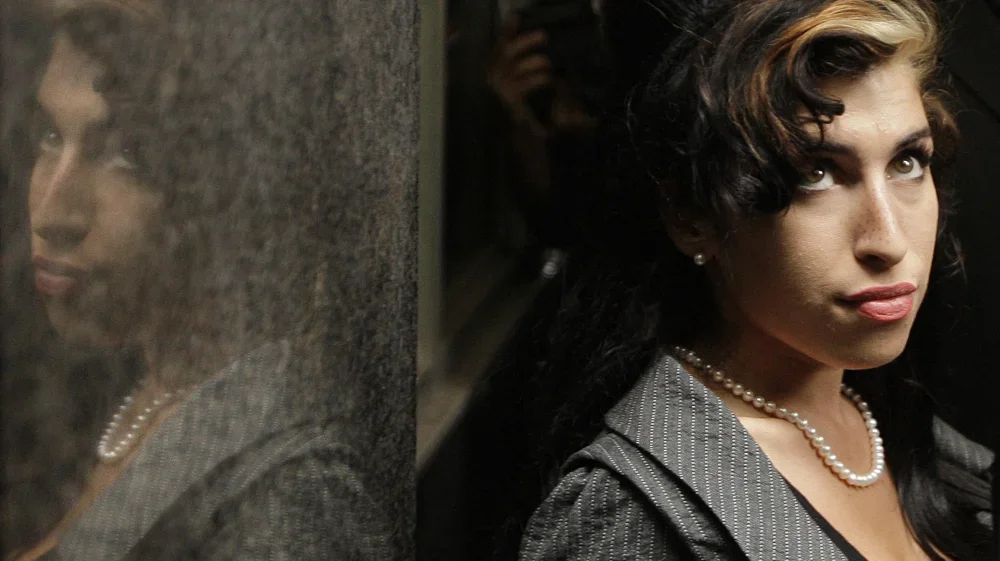
While not everyone struggles with substance abuse, I don’t know a single person who has not, at one point in their life, been dissatisfied with or insecure about their weight, shape, size, or appearance. In a sense, being uncomfortable with one’s body is a large part of humanity, especially today, and I think that acknowledging how society punishes bodies outside the norm (particularly women’s bodies) is extremely uncomfortable for a lot of people. So instead of using the legacy of a gone-too-soon artist like Amy Winehouse to promote resources for victims of substance abuse, domestic violence, mental illness, or eating disorders, the market just demands a new one, finding another “deep“ young woman to fill her shoes. The cycle continues, and it’s pretty sad.
Rest in peace, Amy. I’m sorry.
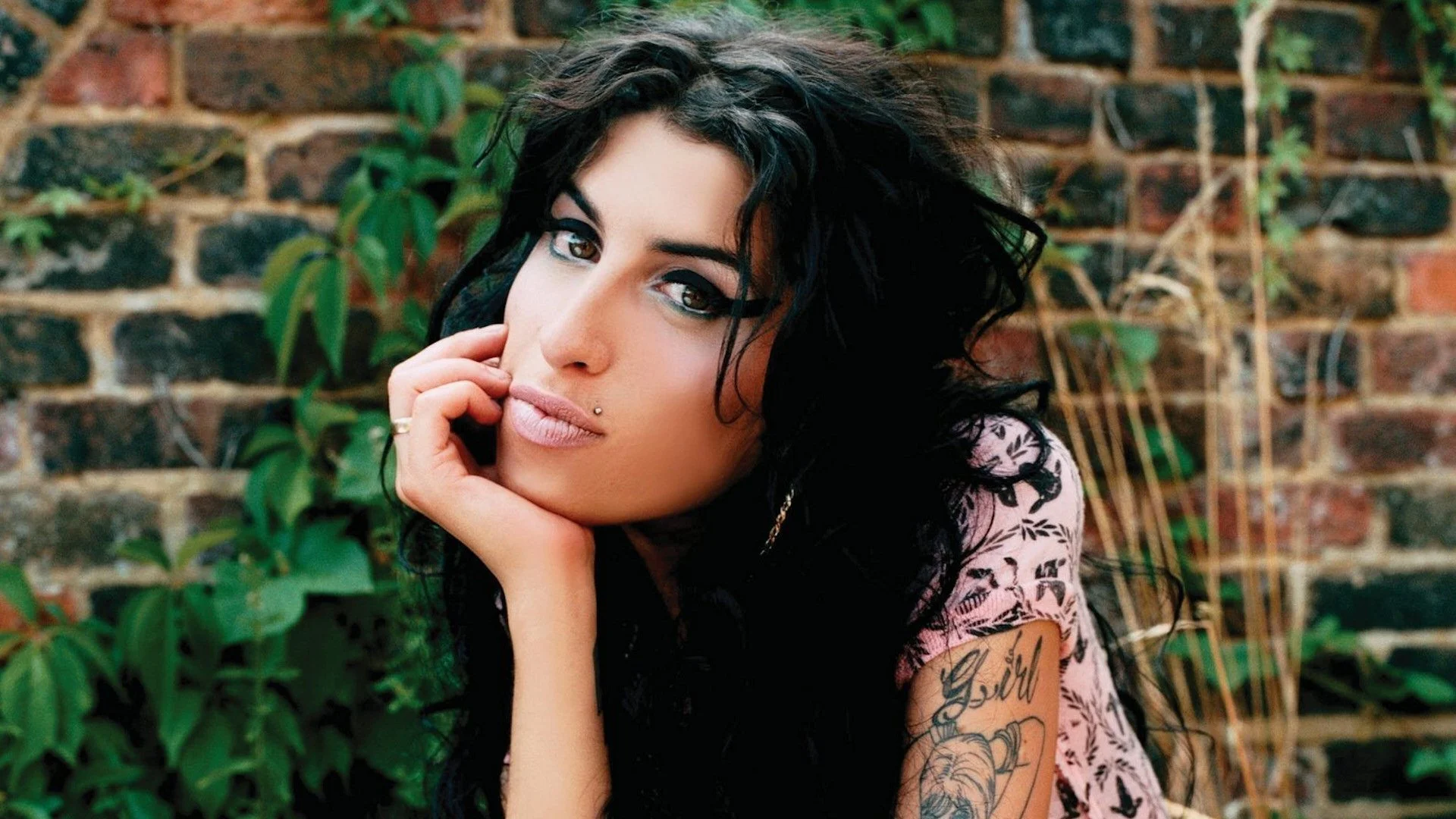
Learn more about the life, legacy, and career of Amy Winehouse here.